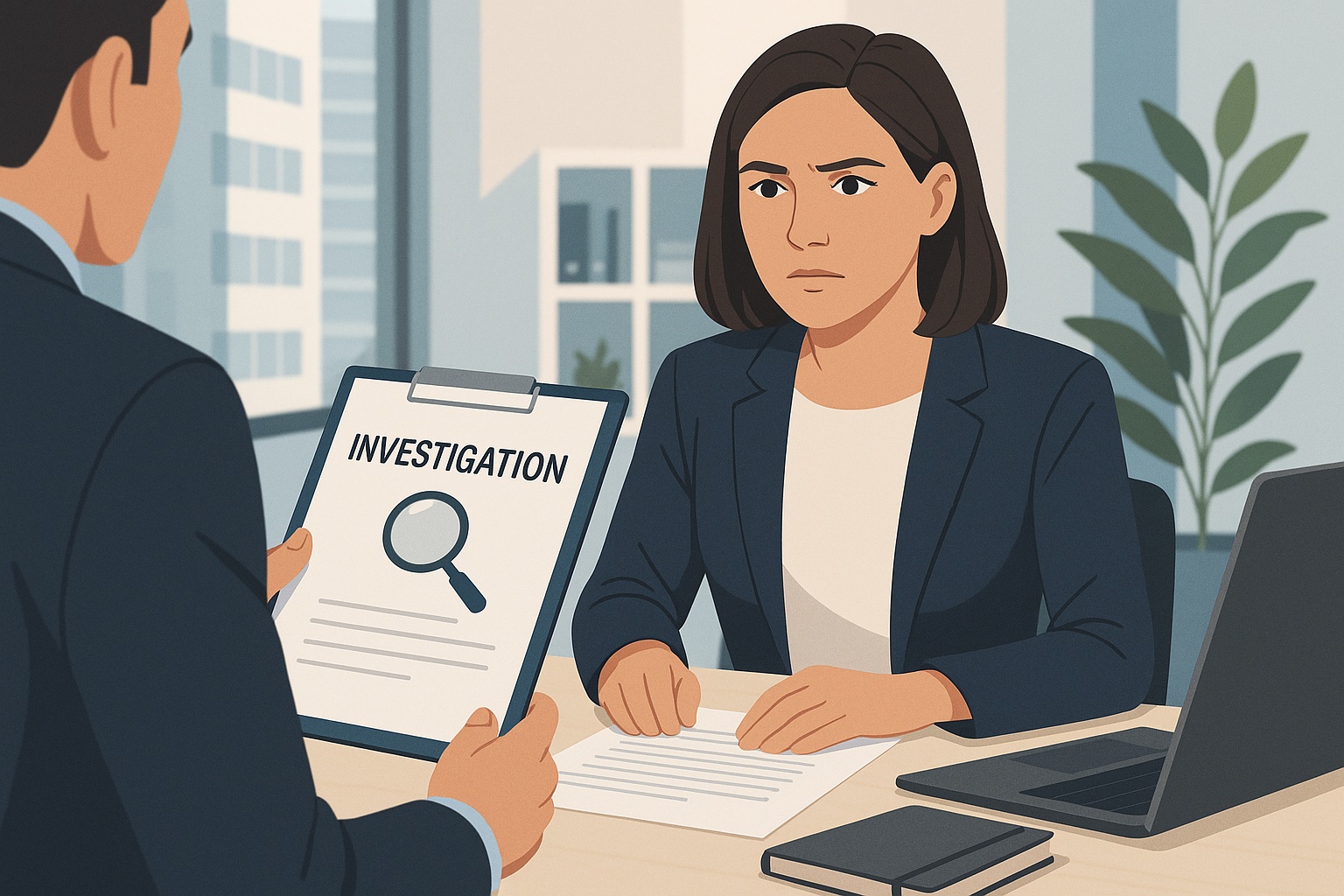
When an employee files a complaint, your response as an HR leader or business owner can have a profound impact on trust, legal exposure, and the overall workplace culture. In today’s rapidly evolving regulatory landscape, handling complaints with diligence and transparency is not just best practice—it's essential. The stakes are higher than ever, as recent data reveals a notable rise in both the number and complexity of workplace complaints. Addressing employee grievances efficiently and lawfully isn’t just about resolving an individual’s concerns; it’s about safeguarding your organization’s reputation, maintaining employee morale, and mitigating significant legal and financial risks. This guide provides clear, actionable steps to ensure your workplace investigation process in 2025 is thorough, compliant, and effective.
Employee complaints, whether related to discrimination, harassment, retaliation, or other workplace issues, are critical signals that something may be amiss in your organization. Proactively addressing these complaints is essential for a healthy work environment and for protecting the organization from significant liability.
Recent trends underscore the growing importance of this issue. For example, "In fiscal year 2024, the EEOC received 88,531 new discrimination charges, marking a 9.2% increase from the previous year." Such figures highlight that more employees are coming forward with their concerns, and regulatory bodies are paying closer attention to how organizations handle these cases.
Beyond regulatory compliance, responding appropriately to complaints fosters a culture of openness and respect. Employees who believe their voices will be heard and their concerns addressed are more likely to remain engaged and loyal. Conversely, ignoring or mishandling complaints can erode trust, decrease morale, and lead to costly turnover or public scandals.
Finally, addressing complaints effectively demonstrates organizational integrity and a commitment to fairness. This not only enhances your employer brand but can also serve as a deterrent to future inappropriate behavior in the workplace.
The way you handle the initial receipt of a complaint sets the tone for the entire investigative process. Responding promptly and thoughtfully is critical, as it reassures the complainant that the matter will be taken seriously and helps mitigate potential risks from the outset.
It’s also important to inform the complainant of the investigation process, expected timelines, and their rights, including protection from retaliation. Remember, "In 2023, 56% of all charges processed by the EEOC contained a retaliation allegation." This statistic highlights the need to protect all parties from any adverse action related to their participation in the complaint process.
Establishing a clear, supportive, and confidential process from the outset not only sets the right expectations but also strengthens your position in the event of external scrutiny or litigation.
Once a complaint has been formally acknowledged and initial measures put in place, the next critical step is a comprehensive investigation. A well-structured investigative process not only uncovers the facts but also demonstrates your organization’s commitment to fairness and compliance.
Decide who will lead the investigation. Ideally, this should be an impartial HR professional or a third-party investigator, especially if the complaint involves senior management or potential conflicts of interest. The investigator should have relevant training and experience in workplace investigations, as well as a solid understanding of employment law and company policies.
Develop an investigation plan outlining: