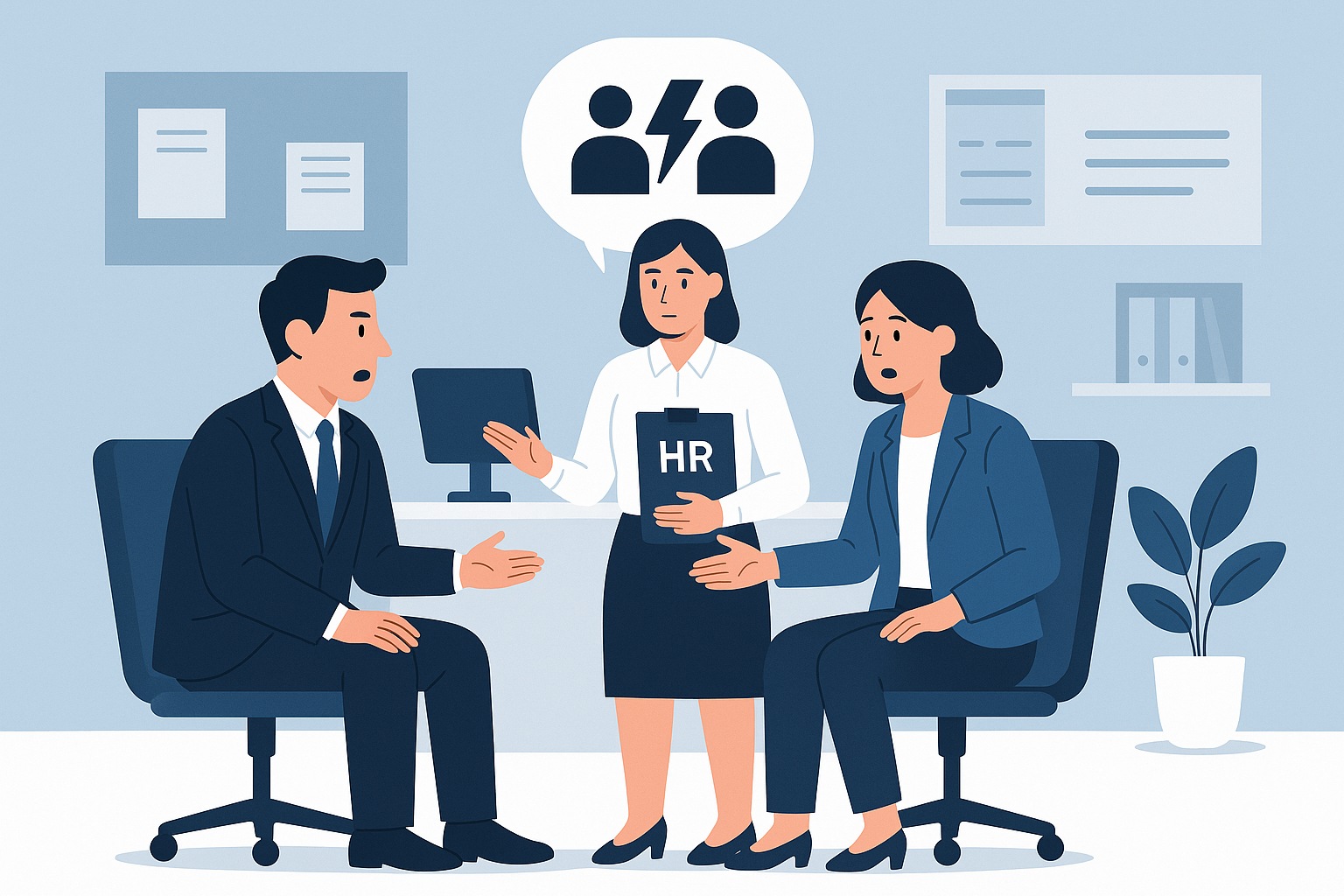
Workplace conflict isn’t just an inconvenience—it’s a pressing challenge for organizations striving to maintain a healthy, productive environment in 2025. With employee disputes on the rise and the stakes for morale, well-being, and legal compliance higher than ever, HR leaders must be equipped with robust strategies to address and resolve conflicts efficiently. From minor misunderstandings to serious allegations, how organizations manage disputes can make the difference between a thriving team and a fractured workforce. This comprehensive guide explores the key causes of employee disputes, offers a practical step-by-step resolution framework, and highlights essential preventative and legal considerations for today’s HR professionals.
Employee disputes are an inevitable part of any organization. However, the way these conflicts are addressed has significant ramifications for employee satisfaction, workplace culture, and business outcomes. Unresolved disputes can escalate, leading to decreased productivity, increased absenteeism, and even costly litigation. According to recent data, over two-fifths (44%) of working-age adults in Great Britain experienced conflict at work in the last 12 months. This statistic underscores the pervasive nature of workplace disputes and the urgent need for effective resolution mechanisms.
The impact of unresolved conflict extends beyond immediate workplace disruption. Over half of people who reported conflict (57%) experienced stress, anxiety, or depression as a result. This emotional toll can lead to higher turnover rates, lower engagement, and diminished employer reputation. Moreover, HR teams are under increasing pressure to demonstrate compliance and provide fair, transparent processes to protect both employees and the organization.
By prioritizing the timely and equitable resolution of employee disputes, organizations not only safeguard their staff’s well-being but also reinforce a culture of trust, respect, and accountability. This commitment is essential for attracting and retaining top talent and for fostering a positive environment where every employee can thrive.
Understanding the root causes of employee disputes is the first step towards effective prevention and resolution. In 2025, several key trends and workplace dynamics contribute to the frequency and complexity of conflicts. As the workforce becomes more diverse and remote work remains prevalent, new sources of misunderstanding and disagreement are emerging.
Some of the most common causes of employee disputes include:
The prevalence of these issues is not expected to diminish. 81% of respondents expect the number of disputes in 2024 to either stay the same or increase. The consequence of unresolved conflict is also tangible at an organizational level. In the June quarter 2025, there were 44 disputes, involving 15,900 employees and resulting in 28,500 working days lost. This data underscores the necessity for proactive management and structured resolution processes in the modern workplace.
By identifying the underlying causes, HR professionals can tailor their approach to address specific risk factors and create targeted interventions that minimize the likelihood of disputes escalating.
Effectively managing and resolving employee disputes requires a structured, methodical approach. By following a step-by-step process, HR professionals can ensure fairness, consistency, and compliance while fostering a supportive environment for all parties involved. Below is a detailed guide to resolving employee disputes in 2025.
The earlier a dispute is identified, the easier it is to resolve. Encourage open communication channels and create a culture where employees feel safe reporting concerns without fear of retaliation. Training managers to recognize the early signs of conflict—such as changes in team dynamics, drops in productivity, or increased absenteeism—can help address issues before they escalate.
Once a dispute is reported, the next step is to conduct a thorough assessment. This involves:
It’s crucial to remain neutral and avoid making assumptions at this stage. Objective fact-finding sets the foundation for a fair resolution.
In many cases, disputes can be resolved informally through direct dialogue and mediation. HR can facilitate a meeting between the parties to discuss the issue, clarify misunderstandings, and explore mutually agreeable solutions. The advantages of informal resolution include:
Mediation is particularly effective for interpersonal or communication-based disputes. The mediator’s role is to guide the conversation, ensure everyone has a chance to speak, and help identify common ground.
If informal methods are unsuccessful or if the dispute involves serious allegations—such as discrimination, harassment, or potential legal violations—a formal investigation is required. This process should be clearly outlined in organizational policies and include:
Throughout the investigation, it is essential to adhere to due process and ensure that all actions are compliant with regulatory and legal standards.
Based on the findings, the organization must decide on appropriate actions. This may include:
The decision should be communicated clearly and sensitively to all parties, with a focus on maintaining trust and transparency. Where possible, provide support for those affected, such as access to employee assistance programs (EAPs) or counseling services.
Resolution doesn’t end when a decision is made. Ongoing monitoring ensures that the dispute does not re-emerge and that the workplace environment remains positive. Follow up with the individuals involved to assess their well-being and satisfaction with the process. Evaluate whether additional support or interventions are needed, and gather feedback to improve future dispute resolution practices.
A well-documented resolution process not only helps protect the organization from future claims but also demonstrates a commitment to fairness and continuous improvement.
Maintain comprehensive records of every step in the dispute resolution process. This includes initial reports, investigation notes, evidence reviewed, decisions made, and follow-up actions. Accurate documentation is critical for legal compliance and for defending the organization in the event of external scrutiny or litigation.
For organizations seeking expert guidance in managing employee disputes, Paradigm | Expert HR Management Solutions (https://paradigmie.com) offers tailored support to ensure best practices are followed at every stage.
While effective dispute resolution is vital, prevention is always preferable. By proactively addressing the root causes of conflict, organizations can build a culture of respect and collaboration, minimizing the likelihood of disputes arising in the first place.
Key preventative measures include:
By implementing these strategies, organizations can significantly reduce the incidence and severity of workplace disputes, creating a more harmonious and resilient workforce.
Navigating the legal landscape is a critical component of effective dispute resolution. With employment laws continually evolving and the consequences of non-compliance increasingly severe, HR professionals must stay informed and vigilant. Every step of the dispute resolution process—from initial inquiry to final decision—should be guided by applicable laws and regulations governing labor relations, discrimination, and workplace health and safety.
In 2025, particular attention should be paid to legal obligations regarding:
The organizational impact of non-compliance can be substantial, including reputational damage, financial penalties, and lost productivity. In the June quarter 2025, there were 44 disputes, involving 15,900 employees and resulting in 28,500 working days lost. This demonstrates the critical importance of legal compliance and robust dispute resolution frameworks.
HR leaders should regularly review and update policies, consult with legal experts when faced with complex disputes, and ensure all staff are trained on relevant legal standards. By doing so, organizations can protect themselves while promoting fairness and equity in every aspect of their operations.
For expert support in navigating legal compliance and implementing best-practice dispute resolution processes, consider reaching out to the HR professionals at Paradigm | Expert HR Management Solutions.