You're usually not dealing with a clean certificate problem. You're dealing with a messy record problem, a file where the COI says one thing, payroll says another, and the state filing tells a third story. That's when a routine audit turns into a dispute nobody wants to own.
A manager calls you after a contract review, and the vendor's certificate looks fine at first glance. Then legal asks for the policy page, the endorsement that added the additional insured, and the state filing confirmation, and the story starts to fall apart. The certificate in the file is not the same thing as a defensible coverage record, and that gap is where problems start.
The mistake most employers make is treating proof of coverage like a one-page document task. It's really an evidence-quality problem. A file that survives review has to match across the certificate, the policy, the endorsements, the payroll record, and, where relevant, the state filing.
Practical rule: if three documents describe the same coverage differently, assume you do not have a usable file yet.
That matters because a weak file gives counsel, auditors, and counterparties room to question the basics. Did the carrier bind the coverage? Did the endorsement exist on the effective date? Did the state record ingest the policy correctly? In workers' compensation, the reporting workflow itself is part of the proof, since insurers transmit policy data to state jurisdictions under the IAIABC standard, and batch structure errors can stop the record from being accepted at all. The IAIABC POC Release 3.0 implementation guide makes that operational reality clear.
The right mindset is simple. Don't ask, “Do we have a certificate?” Ask, “Can we prove the coverage, the timing, and the exact terms if someone challenges it?” That standard is higher, and it should be. It is also the only standard that holds up when the file gets pulled for a claim, a bid package, or a state inquiry.
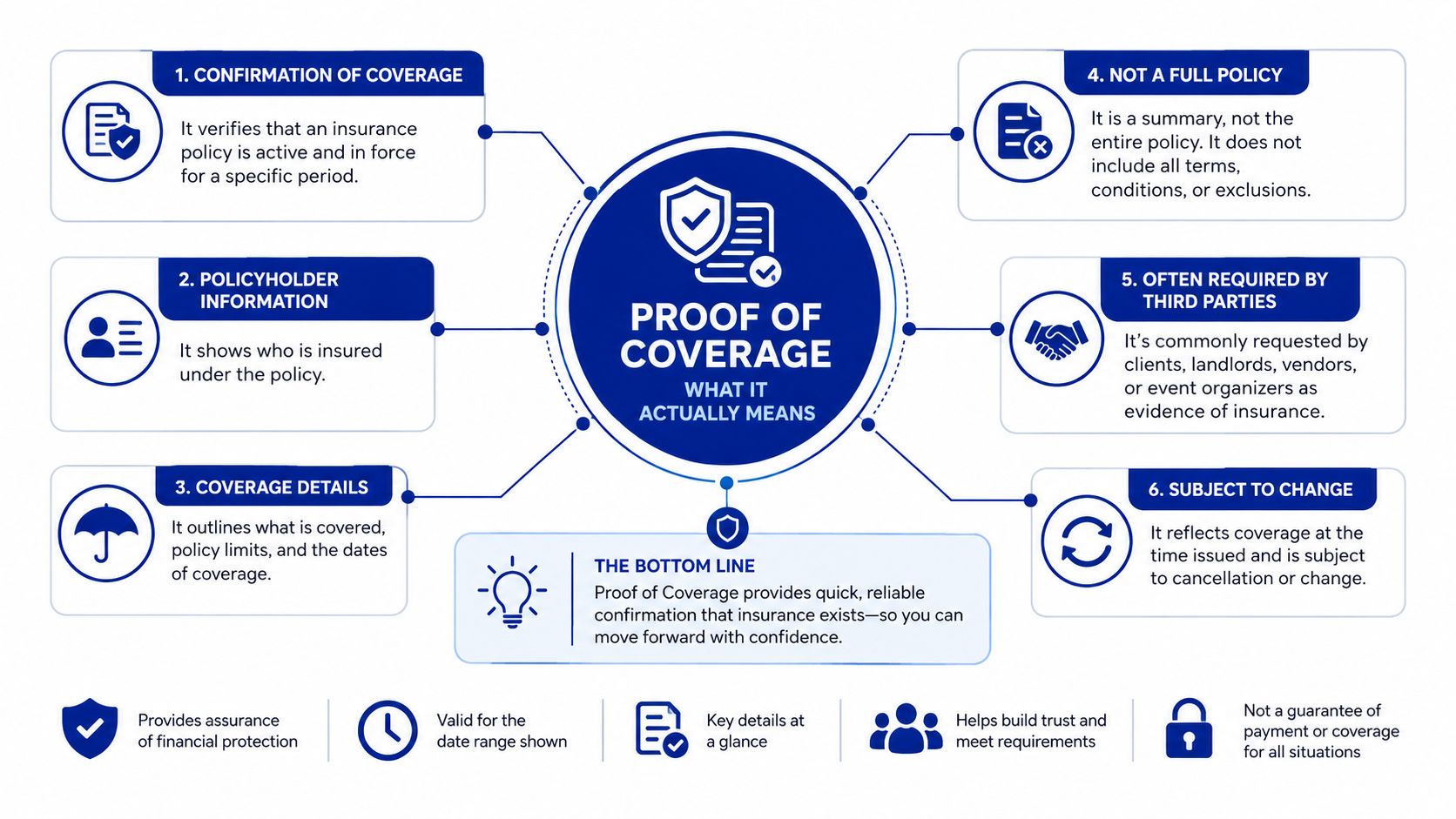
In business contracting, proof of coverage usually means a certificate of insurance backed by the policy and endorsements. In workers' compensation administration, it means the electronic reporting path that carries policy data from insurer to state jurisdiction. Those are related, but they are not the same thing, and mixing them up creates bad decisions.
A certificate is a summary. The underlying policy is the source file. The state filing is the regulatory record. That is the insurance version of a bank statement versus the actual ledger, and you should rely on the ledger when the numbers matter.
A COI can be useful for a quick check, but it is not a substitute for the policy form or the endorsement pages when the contract needs specific language. Contract-practice guidance is blunt on this point, noting that certificates of insurance are not proof of insurance and recommending certified copies of the actual policies when the agreement needs stronger evidence of coverage. For a document workflow that handles this kind of exchange cleanly, EDocGen for insurance documents is one example of a system designed around insurance paperwork rather than general file storage.
The regulatory side is where many employers get surprised. The IAIABC standard uses structured batches with header, detail, and trailer records, so the file has to validate sender identity and record counts before the state can ingest it correctly. If that structure is wrong, the coverage history can be distorted downstream. That is not a paperwork nuisance, it's a visibility problem with compliance consequences. The IAIABC POC Release 3.0 implementation guide is the clearest source for that workflow.
When you separate these two meanings, the process gets easier. In contracting, you verify the policy terms. In workers' comp, you verify the reporting record. In both cases, the point is the same, keep the evidence strong enough that nobody has to guess.
A defensible file starts with the basics, but it does not stop there. The certificate should match the legal entity you contracted with, the policy type should match the risk, and the dates should cover the full period of work. If the file is for a project or service relationship, the endorsements need to support the promises in the contract, not just the existence of coverage.
The details people miss are often the ones that cause the pain later. A wrong project description can make the file look acceptable while hiding a mismatch. An umbrella policy can expire even while the underlying policy continues, which creates a false sense of security. A certificate can mention an endorsement without attaching the actual page, and that's not enough when someone pushes back.
A certificate is a checkpoint, not the finish line.
For operational teams that prepare these records frequently, the discipline is in the attachments and the metadata. That means keeping the actual policy pages, endorsement pages, and any written broker confirmations together, not scattered across inboxes. It also means using a repeatable document process so the same fields are captured every time, which is where a structured workflow helps more than a one-off spreadsheet.
If you are screening records manually, read the file like a skeptic. Ask whether the evidence proves the terms, or only suggests them. That habit saves hours later because it filters out weak files before they get accepted.
Start with identity. The named insured should match the entity in the contract, not just a parent company or a related brand name. If that fails, stop there and ask for a corrected certificate and the policy page showing the actual insured.
Next, check the coverage type and limits against the contract requirements. Don't accept a general liability certificate when the agreement requires employer's liability, workers' compensation, auto, or umbrella support. If the certificate is silent on a required endorsement, ask for the actual endorsement page instead of relying on summary remarks.
Then confirm the dates. Coverage has to span the entire job, vendor term, or employment period you care about. If the dates are tight or if the policy renews mid-project, make the broker show you the continuity.
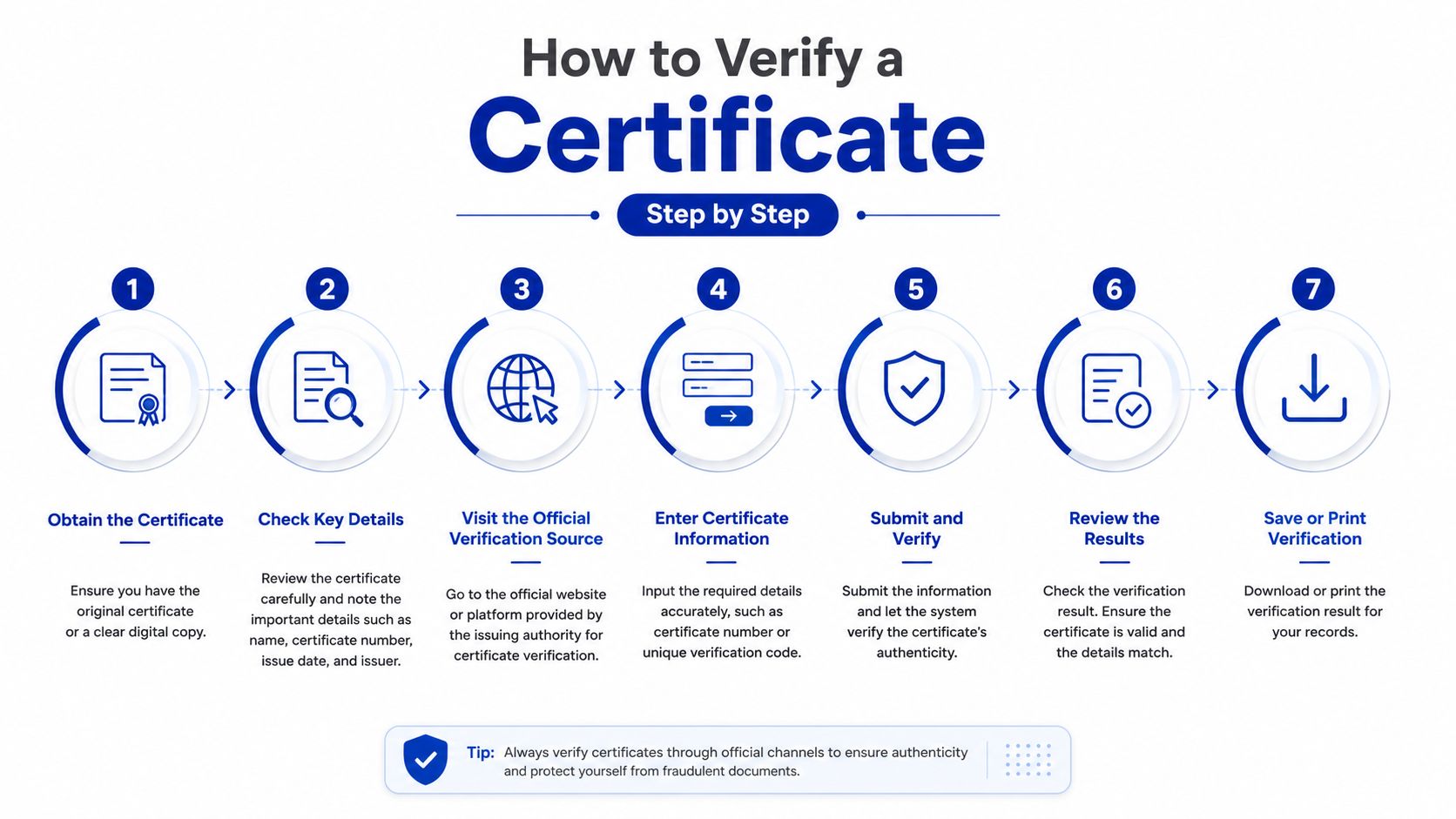
If the certificate is missing a required item, don't “assume” the broker intended to include it. Push the request back and make the missing element explicit. That creates a paper trail, and paper trails matter when a contract review turns into a challenge.
For employers that want a cleaner evidence trail around incidents and document handling, the internal workflow at evidence handling procedures is worth aligning with this process. The same discipline applies. Collect the source record, compare it to the summary, and keep the decision notes.
A claim lands, and the file starts working against you. The certificate shows active coverage, the carrier says the endorsement came later, and payroll records show deductions that stopped before the insurer's termination date. At that point, coverage is no longer a folder problem. It is an evidence problem.
Texas coverage litigation shows why that distinction matters. Under Texas rules, the insured bears the initial burden of proving that a claim falls within the policy's coverage. Texas authority also keeps extrinsic evidence on a short leash. It can only address coverage, cannot overlap with liability merits, cannot contradict pleaded facts, and must conclusively prove the coverage fact at issue. That makes the quality of the file matter more than the confidence of the argument. The Texas Supreme Court's opinion on extrinsic evidence in coverage disputes explains the narrow path for using outside proof, and IRMI's summary of Texas coverage burdens tracks the initial proof obligation on the insured.
A weak file usually looks tidy at first glance. The employer has a certificate and a broker email, but nothing that ties the endorsement to the date of loss. The carrier disputes the scope, counsel fights over timing, and the employer ends up rebuilding a record it should have preserved from the start.
A strong file tells the story without a scramble. The employer keeps the certificate, the policy pages, the endorsement pages, the state filing confirmation where applicable, and the broker correspondence in one folder. That shifts the dispute. The team stops arguing over whether coverage existed and starts examining what the policy covered and when it became effective.
Coverage disputes are won and lost on records first, arguments second.
Loss timing can break the file just as fast. If the underlying event date is unclear, the coverage position weakens quickly. That is true in property, liability, and workers' compensation files, because the claimant still has to line up the event with the policy period and the terms in force.
Keep a short chronology inside the file. Source documents alone are not enough. The timeline should show when the certificate was issued, when the policy bound, when the endorsement arrived, and when the incident or contract started. That gives counsel a clean starting point instead of a scavenger hunt.
For employers that want a cleaner evidence trail around incidents and document handling, the internal workflow at our evidence handling procedures is worth matching to this process. The same discipline applies. Collect the source record, compare it to the summary, and keep the decision notes.
Use short, direct request language and make the evidence requirements part of the ask. Don't ask for “proof of coverage” in the abstract. Ask for the certificate, the policy declarations page, the applicable endorsements, and any written confirmation that the requested contractual terms are in force.
A simple request can read like this:
Please send the certificate of insurance, the policy declarations page, and any endorsement pages that show additional insured, waiver of subrogation, or primary and noncontributory status if required by the contract. Include the insured's exact legal name, policy number, effective dates, coverage limits, and the issuing carrier or administrator. If any item is not available, tell us what is missing before the work starts.
For HR and operations teams, the point is not to build a bigger system. It is to keep the records consistent, searchable, and refreshed before they go stale. That is the kind of file discipline that fits alongside find document preparation for employers when your team needs a formal paper trail, not a casual inbox exchange. It also fits the retention discipline described in our employment records retention requirements.
| Item | What to confirm | Refresh cadence |
|---|---|---|
| Certificate | Legal name, carrier, policy type, dates, limits | At intake and before renewal |
| Policy declarations | Named insured, policy number, effective period | At intake and after any change |
| Endorsements | Additional insured, waiver, primary language | When the contract requires it |
| State filing confirmation | Match the reporting record to the policy record | When workers' comp reporting applies |
| Broker or carrier email | Written confirmation of any unusual term | When the certificate is unclear |
| File note | Who reviewed it and what was accepted | Every time the file changes |
Keep the acceptance note with the evidence, not in a separate inbox thread.
For a small team, this is manageable if you assign one owner and one backup. The owner checks the file, stores it in one place, and sets the renewal reminder. The backup reviews exceptions and makes sure the file still matches the contract after any personnel or vendor change. If you want a broader HR document framework to compare against, the internal HR audit checklist is a useful companion.
Workers' compensation is where proof of coverage gets technical fast. In that world, the proof is not just a certificate, it is the policy data that gets reported to the state, and the reporting format itself can create or remove apparent gaps. The Maine regulatory dictionary defines a Detail Record Count as the total number of detail records in a transmission and excludes header and trailer records from that count, while Michigan's POC guide requires a mandatory HD1 header and TR1 trailer to verify how many records were sent. Those controls are there for a reason, they help state agencies spot mismatches that would otherwise turn into reconciliation errors.
The practical problem is that reporting errors can create an administrative coverage gap even when the underlying insurance never lapsed. NCCI's policy-reporting guidance says those gaps can come from incorrect transaction set types or effective dates, and fixing them requires specific add-and-delete transactions rather than a casual update. That distinction matters for audits and claims handling because the record can look broken even when the contract coverage stayed continuous. The NCCI policy-reporting guidance is the right reference when you need to understand that difference.
Healthcare coverage loss proof is a separate but related issue for employers managing terminations or benefits changes. Healthcare.gov says applicants must show that they lost qualifying coverage in the past 60 days or will lose it in the next 60 days, and it accepts documents like insurer letters, employer letters, government notices, and pay stubs showing deductions ended. That flexibility helps employees, but it also creates a real-world mismatch problem when termination dates, payroll deductions, and insurer records don't line up. See Healthcare.gov's coverage loss proof guidance for the accepted document types and timing rules.
Risk sits in the gap between systems. Payroll may end deductions on one date, the carrier may process a termination later, and the state filing may reflect a different effective date altogether. Multi-state employers feel this most because each record can be right in its own system and still fail as a whole. In those environments, HR needs one source of truth for the chronology, not three loosely connected records.
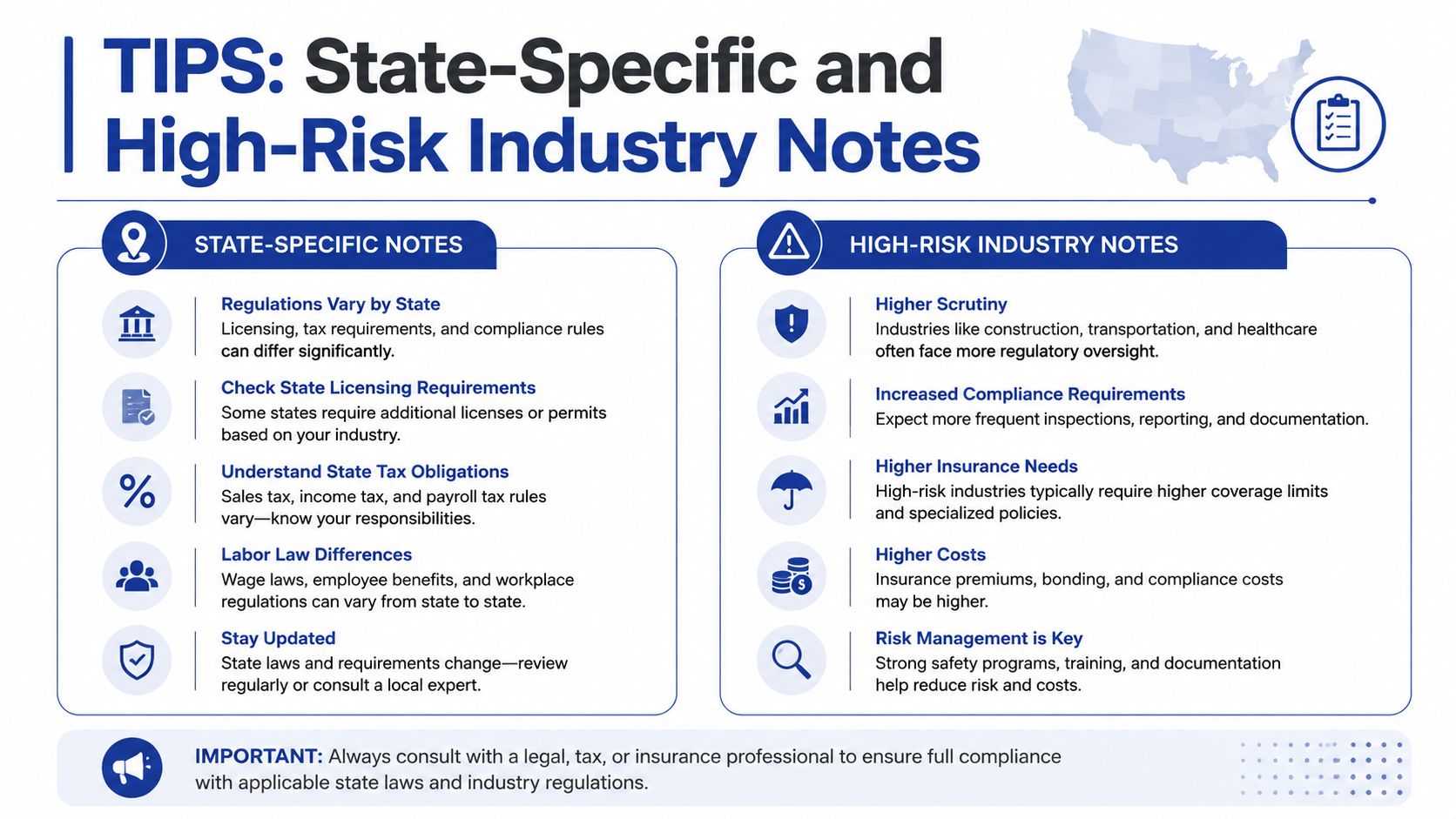
A coverage file falls apart when the paper trail is sloppy. Treat certificates as summaries, keep the policy and endorsement pages in the file, match the certificate to the state filing where that applies, and refresh the record on a set schedule. For a simple benchmark on whether your broader HR file discipline is tight enough, use our HR audit checklist as the same control mindset this topic demands.
The point is straightforward. Proof of coverage is an evidence problem. If the file does not show who was covered, under which policy, during what period, and subject to which endorsement terms, it is not defensible. It is just a stack of papers that may or may not survive scrutiny.
Keep the review process boring and repeatable. Verify the name, the dates, the limits, the endorsements, and the source pages. Save the acceptance note. If anything changes, update the chronology so the file tells one clean story. That is what holds up when counsel, auditors, regulators, or counterparties ask for proof.
A weak file usually fails for the same reason every time. The carrier record says one thing, payroll says another, and the state filing points to a third version of events. Do not let those differences sit unresolved. Fix the record, keep the supporting pages together, and document which source you relied on when the records conflict.
If you want a second set of eyes on a coverage file, Paradigm International Inc. works with SMB leadership teams to tighten documentation, reduce HR risk, and keep employment records defensible across jurisdictions. Visit Paradigm International Inc. to review the records your team is relying on now.