
A severance agreement is a strategic contract that trades post-employment compensation or benefits for a legally binding release of claims. For a group exit covered by OWBPA, the employee gets 45 days to consider the agreement and a non-waivable 7-day period to revoke it after signing.
That distinction matters when an employee leaves and the leadership team wants the transition completed quickly. The payment may look like the central issue, but the business decision is whether the company is receiving enforceable protection in exchange for something the employee wouldn't otherwise receive. A polished template can't fix a weak release, an unlawful restriction, or a process that pressures the employee to sign.
Growing SMBs face added exposure because one document may touch federal law, state contract rules, company policies, union obligations, benefits administration, and labor-board restrictions. Treat severance as a controlled risk decision, not an administrative form.
An employer typically offers a severance agreement when terminating an employee. In the United States, no federal law generally requires severance pay in ordinary cases, so the payment is usually a matter of agreement rather than an automatic legal entitlement, as explained in this overview of severance and separation practices.
The employer's objective is usually straightforward: provide additional compensation or benefits, and receive a release of claims in return. The employee receives financial support after separation. The company seeks to reduce the risk of later litigation over claims that arose before the agreement date.
That exchange only works if both sides understand what they are trading.
A severance payment must be more than money the employee was already legally entitled to receive. Final wages, earned benefits, and other mandatory payments generally shouldn't be presented as the price of a release. The agreement should identify the additional consideration clearly, whether it takes the form of a payment, continued benefits, or another defined benefit.
The document should also state when and how the company will provide that consideration. Ambiguous payment terms create avoidable disputes, particularly when the employee's release is broad but the employer's payment obligation is vague.
Practical rule: Never ask an employee to surrender valuable legal rights in exchange for an employer obligation that already existed.
A release identifies the claims the employee agrees not to pursue against the employer and related parties. It may address employment-related allegations such as discrimination, retaliation, contract disputes, or other claims arising before execution, but it must be drafted around rights that can legally be waived.
A release isn't a license to eliminate every possible future dispute. It should define the covered period, identify the parties protected, and preserve rights that federal or state law doesn't permit the employee to waive. The employer should also confirm that the release matches the facts of the termination. A generic release may miss a known risk, while an excessively broad one may undermine enforceability.
Severance may be discretionary, but the employer's past conduct can affect how a decision looks. A company that routinely pays severance to similarly situated employees may face questions if it suddenly refuses to do so for one employee. Inconsistent treatment can also create discrimination or retaliation concerns if the departing employee has made a complaint.
The right question isn't, “Do we have to pay?” It is, “What obligation have we created, what risk are we addressing, and can we defend the decision against comparable cases?” That approach gives executives a more reliable basis for approving or declining a package.
A separation contract should read like a coordinated risk-control document. Every clause should have a purpose, a defined scope, and a connection to the consideration being offered. If a provision adds restrictions without a clear business reason, it may create negotiation friction or an enforceability problem without materially protecting the company.
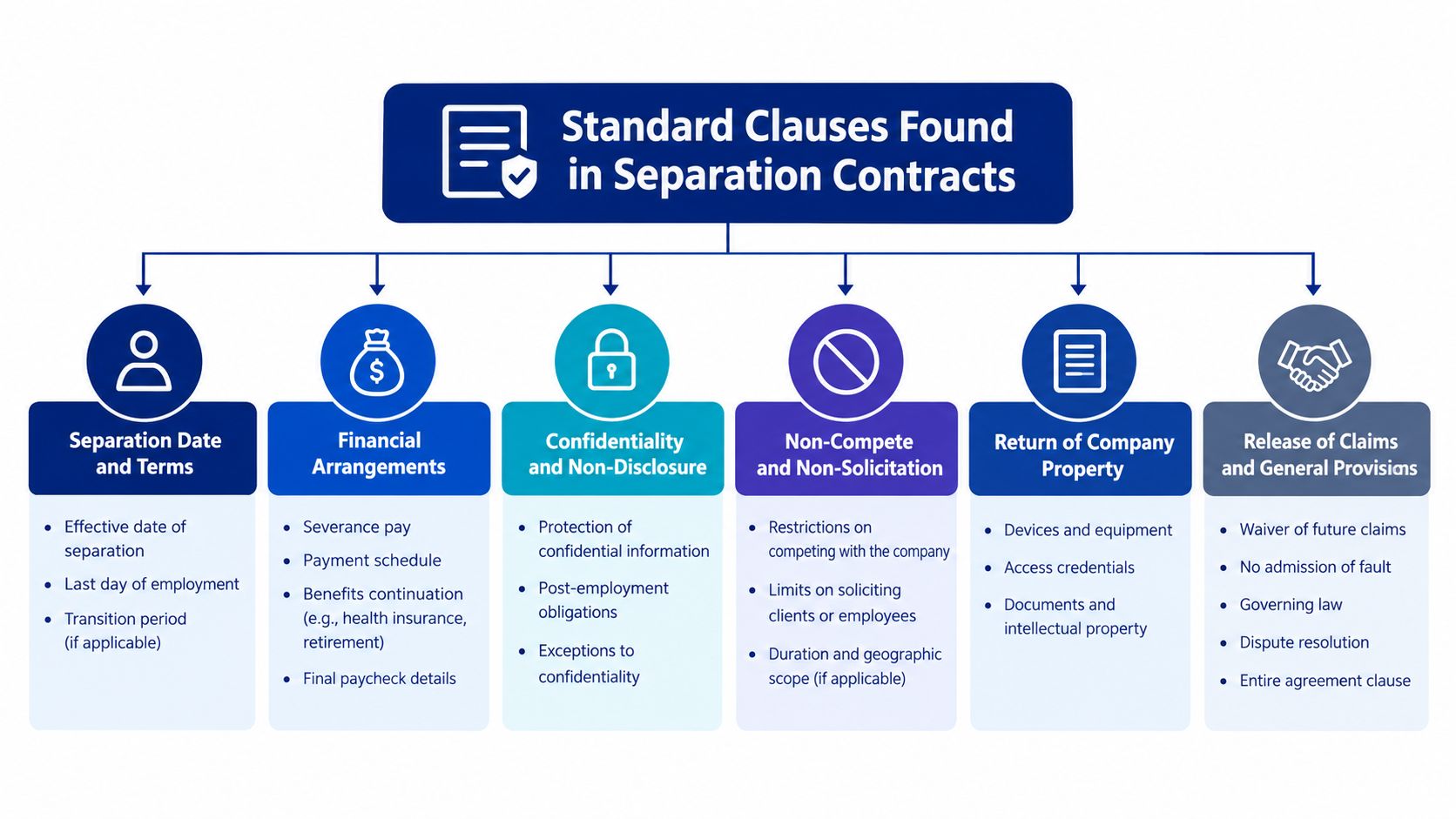
The general release is usually the central clause. It identifies the claims the employee releases, the time period covered, and the people or entities protected. A careful agreement distinguishes between claims based on events that occurred before separation and claims that arise later.
The release should also preserve rights that cannot lawfully be waived. It shouldn't suggest that the employee has surrendered the right to participate in a government investigation or exercise another protected statutory right. A release that tries to accomplish too much can weaken the entire negotiation.
A confidentiality provision can protect trade secrets, customer information, internal business records, and other proprietary material. It should define confidential information with enough precision to be meaningful, while preserving legally protected disclosures and communications.
Non-disparagement language addresses harmful statements about the company, its leaders, or its products. Executives should consider whether the clause should be mutual rather than unilateral. A one-sided restriction may be harder to defend as a fair exchange, particularly when the company expects the employee to remain silent but imposes no comparable obligation on its own representatives.
These provisions must be reviewed alongside labor-law requirements. Broad wording can create regulatory risk for non-supervisory employees, even when the employer's goal is ordinary reputation protection.
Non-compete and non-solicitation clauses deserve separate scrutiny. Their enforceability depends on applicable law, the employee's role, the company's protectable interests, and the geographic and temporal scope of the restriction. Do not insert a restrictive covenant merely because it appears in an old template.
The agreement should also require the prompt return of company property and information. List physical equipment, electronic files, credentials, documents, and access tools specifically. A property-return certification can support the company's later response if confidential information appears in a former employee's possession.
The agreement should explain how health benefits will be handled, including whether the company will contribute toward continued coverage or just provide information about available continuation rights. Benefits language should align with the plan documents and the administrator's procedures. A promise in the separation agreement can't override the governing benefit plan.
Severance payments commonly carry tax consequences. Employers typically must apply mandatory withholding, and some agreements state that the employee remains responsible for additional tax obligations or consequences tied to the severance amount, as reflected in this filed agreement describing severance tax responsibilities.
For a practical review of payment terms, releases, attorney-review notices, and revocation provisions, use this guide to separation agreements.
The strongest case for severance arises when the company wants a documented resolution to a meaningful employment risk. That doesn't mean every termination needs a package. It means leadership should connect the payment to a specific objective and approve the decision consistently.
A package may be strategically appropriate when:
A discretionary package may be unnecessary where the termination is clean, the employee has no contractual or policy-based entitlement, and the company has no defensible business reason to impose additional post-employment obligations. Paying automatically can create an expectation that future employees will receive the same treatment.
The opposite mistake is refusing severance because federal law doesn't generally require it. An employee may have rights under a union contract, employment contract, company policy manual, or established practice, as noted in this analysis of when severance may become an expectation. The company's obligation may come from its own documents even when federal law doesn't create a general severance requirement.
Before approving a package, document the business reason, the employee's role, comparable decisions, applicable policies, and the risks the release is intended to address. The record doesn't need to contain privileged legal analysis. It should show that leadership considered consistency and did not improvise the outcome based on personal preference.
A useful decision test is:
| Question | Executive decision |
|---|---|
| Is there an existing obligation? | Identify the contract, policy, union term, or practice. |
| What risk is the package addressing? | Define the claims, information, transition, or relationship concern. |
| Is the consideration truly additional? | Separate severance from wages and benefits already owed. |
| Are the restrictions necessary? | Remove terms that don't protect a legitimate business interest. |
| Is the treatment consistent? | Compare similarly situated employees and explain differences. |
The goal isn't to buy silence. The goal is to make a lawful, consistent exchange that the company can explain later.
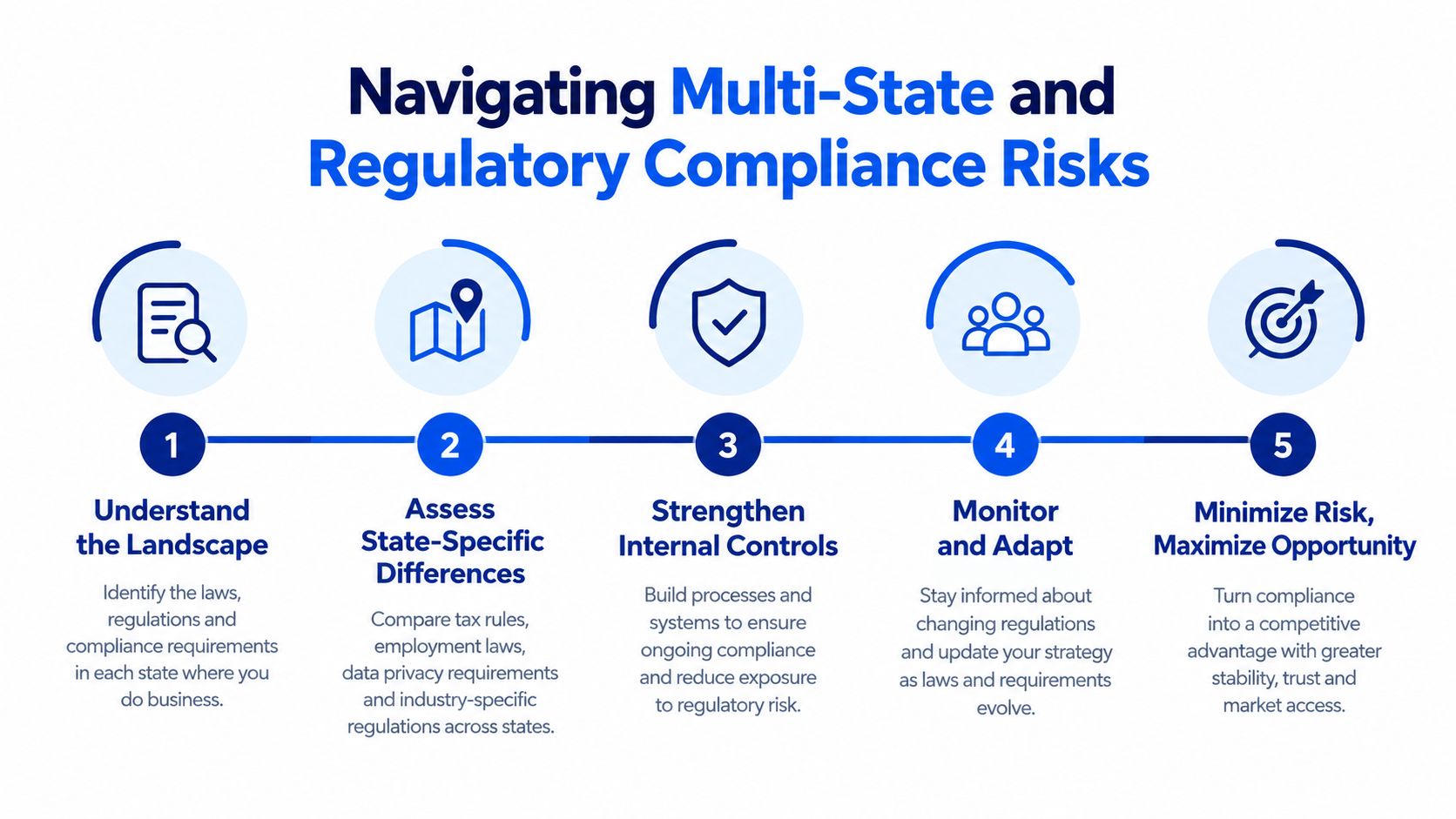
An old severance template can be legally acceptable in one situation and defective in another. The employee's location, work history, job classification, group-exit status, governing documents, and the language of the release all matter. Multi-state employers should stop treating a single national template as a compliance strategy.
When an agreement seeks a waiver of age-discrimination claims covered by OWBPA, the employee must receive the required review opportunity and post-signing revocation protection. For group terminations or exit programs within that framework, the consideration period is longer than in an individual arrangement, and the employee retains the non-waivable revocation period described in the opening.
The company should not shorten the review period because payroll is closing, a manager wants a quick announcement, or the employee appears ready to sign. The agreement should advise the employee to consult an attorney and use plain, understandable language. Group programs also require careful disclosures, and the selection process should be reviewed independently for consistency.
On February 21, 2023, the National Labor Relations Board decided McLaren Macomb, holding that an employer may violate the National Labor Relations Act by offering severance agreements with broad waivers of employees' statutory rights. The decision forced employers to reconsider confidentiality and non-disparagement provisions, particularly for non-supervisory employees, rather than treating those clauses as routine boilerplate. The historical development and drafting implications are summarized in this severance benchmark discussion.
The practical response is not to delete every confidentiality provision. It is to narrow the language, preserve protected concerted activity and agency participation, and distinguish employees who fall within different legal categories. A clause that is appropriate for a genuine supervisor may still create problems when used for a non-supervisory employee.
The Equal Employment Opportunity Commission's position is clear on several boundaries. A severance agreement can't require an employee to waive future claims, block the employee from filing a charge with the EEOC, or prevent participation in agency proceedings. Those limits should be built into the template, not added after a dispute begins.
State law can add requirements involving wage payment, continuation of benefits, restrictive covenants, confidentiality, retaliation protections, and final-pay administration. Maintain a state-specific review process and connect it to the company's multi-state employee handbook rules, because the policy language may affect whether severance is discretionary or expected.
A national template is a starting document. It isn't evidence that the company has completed a state-by-state review.
Most failed severance strategies don't collapse because the document lacks enough legal language. They fail because the employer used the wrong consideration, overreached on the release, ignored a protected right, or rushed execution without preserving evidence of a voluntary decision.
The employee must receive something of value in exchange for the release. If the agreement offers only final wages, accrued benefits, or another payment the employee was already entitled to receive, the release may lack a credible contractual foundation.
The payment should be identified separately from ordinary compensation. State the amount or formula, payment date or schedule, benefit treatment, withholding approach, and the consequences of a breach. An executive team shouldn't approve a release until it can identify exactly what the employee receives that isn't already owed.
A release that covers future claims is a major warning sign. Employment conditions continue to change after signing, and the company can't use a separation contract to erase rights arising from later conduct.
The agreement also must not prevent an employee from filing an EEOC charge or assisting an agency investigation. The EEOC's guidance on waivers in severance agreements explains these boundaries and makes clear that enforceability depends on preserving statutory rights, not just increasing the payment.
A broad confidentiality clause may cover ordinary workplace discussion that the employer has no legitimate reason to restrict. A non-disparagement clause may be unilateral, undefined, or inconsistent with labor-law protections. A non-compete may ignore the employee's actual role or the governing state's requirements.
Other recurring errors include:
A template should make lawful drafting easier, not encourage the company to stop analyzing the facts. Review the release and restrictions against the employee's role, complaints, location, and separation circumstances before presenting it.
A defensible severance process starts before the agreement reaches the employee. HR and leadership should first collect the facts, identify the applicable rules, and decide what the company is offering. Counsel can then tailor the document to the actual risk instead of editing a generic form after the meeting has already been scheduled.
Use plain language and consistent definitions. State what the employee receives, what claims are released, what rights are preserved, and what post-employment obligations apply. Avoid dense provisions that appear designed to confuse rather than inform.
A strong drafting sequence looks like this:
The signed agreement is only part of the evidence. Retain the final version, delivery method, delivery date, employee communications, approval record, payment confirmation, and any revocation notice. Keep drafts controlled so the company can identify exactly which language the employee reviewed.
Document the employee's opportunity to ask questions and seek legal advice. Don't coach managers to pressure the employee or characterize the agreement as mandatory when it isn't. A calm, documented process supports the argument that the employee made an informed decision.
For broader document-control practices, review this Paradigm International Inc. HR guidance. Use a secure access process because severance files contain sensitive compensation, medical, complaint, and employment information.
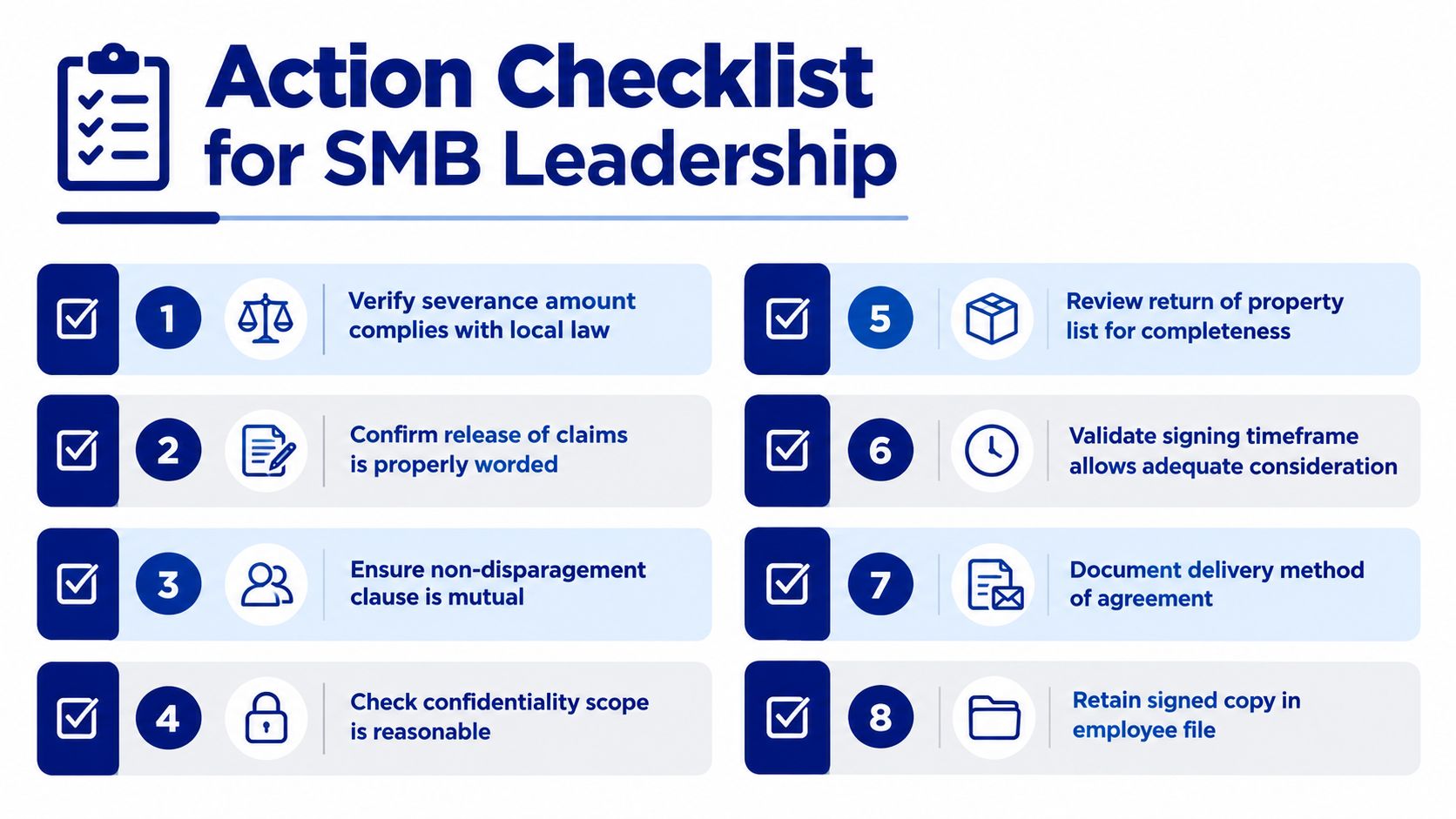
Leadership should require a pre-signing review before presenting any separation package. The review should confirm both sides of the exchange: the employee is receiving valid additional consideration, and the company is not demanding rights or restrictions that the law protects.
Use this checklist for every material separation:
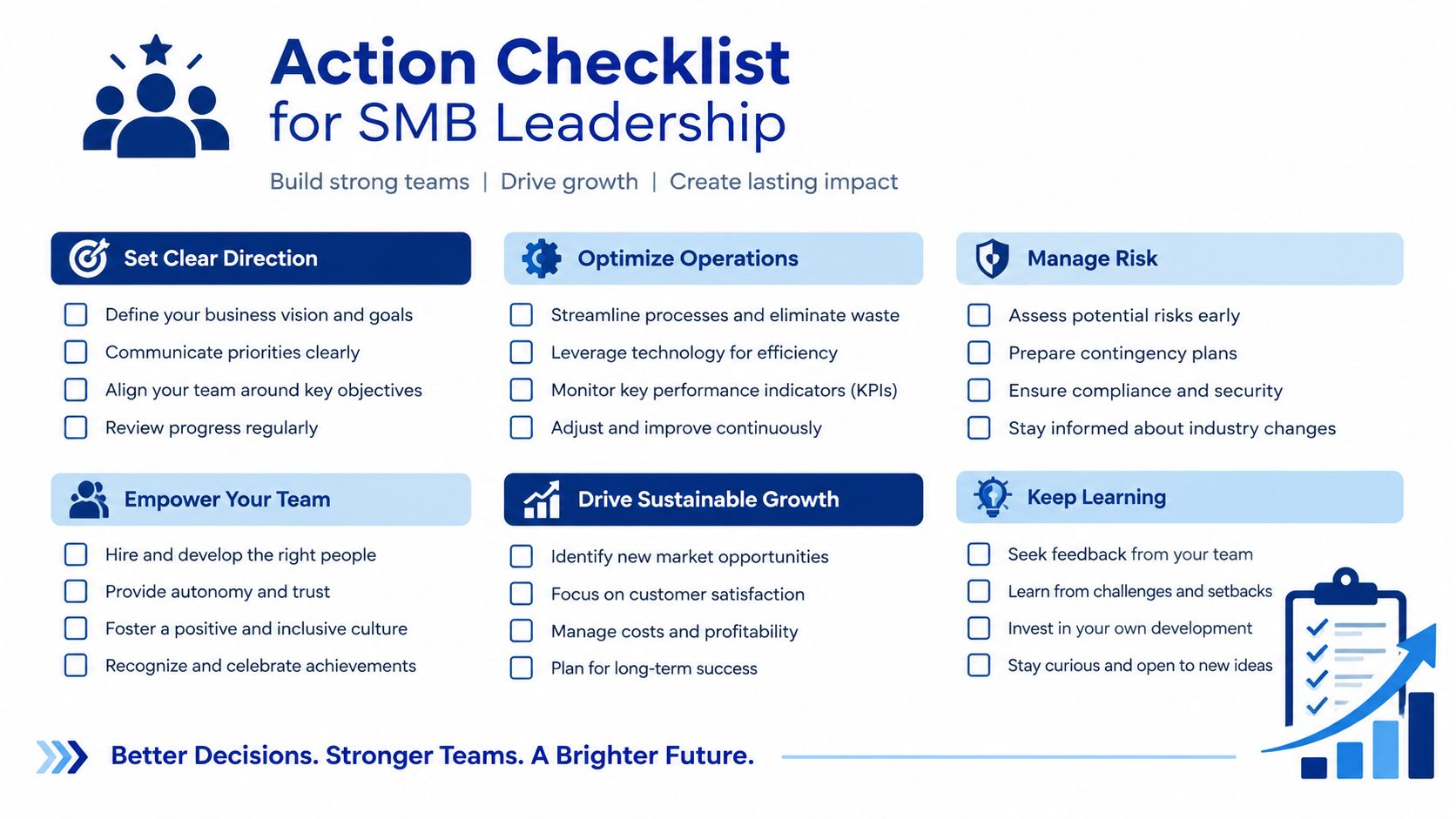
The executive decision should be based on defensibility, not habit. If the company can't explain why it offered the package, why the terms differ from another employee's agreement, and how the release preserves protected rights, the document isn't ready.
A severance agreement can close a difficult employment relationship, but only when the company treats the payment, language, timing, and documentation as one coordinated process. For high-risk terminations, group exits, and multi-state operations, outside review can help leadership identify conflicts before the employee signs.
Paradigm International Inc. supports SMB owners, COOs, and executive teams with termination decisions, severance agreements, documentation standards, and multi-state HR risk. Visit Paradigm International Inc. to discuss a defensible approach for your next separation decision.