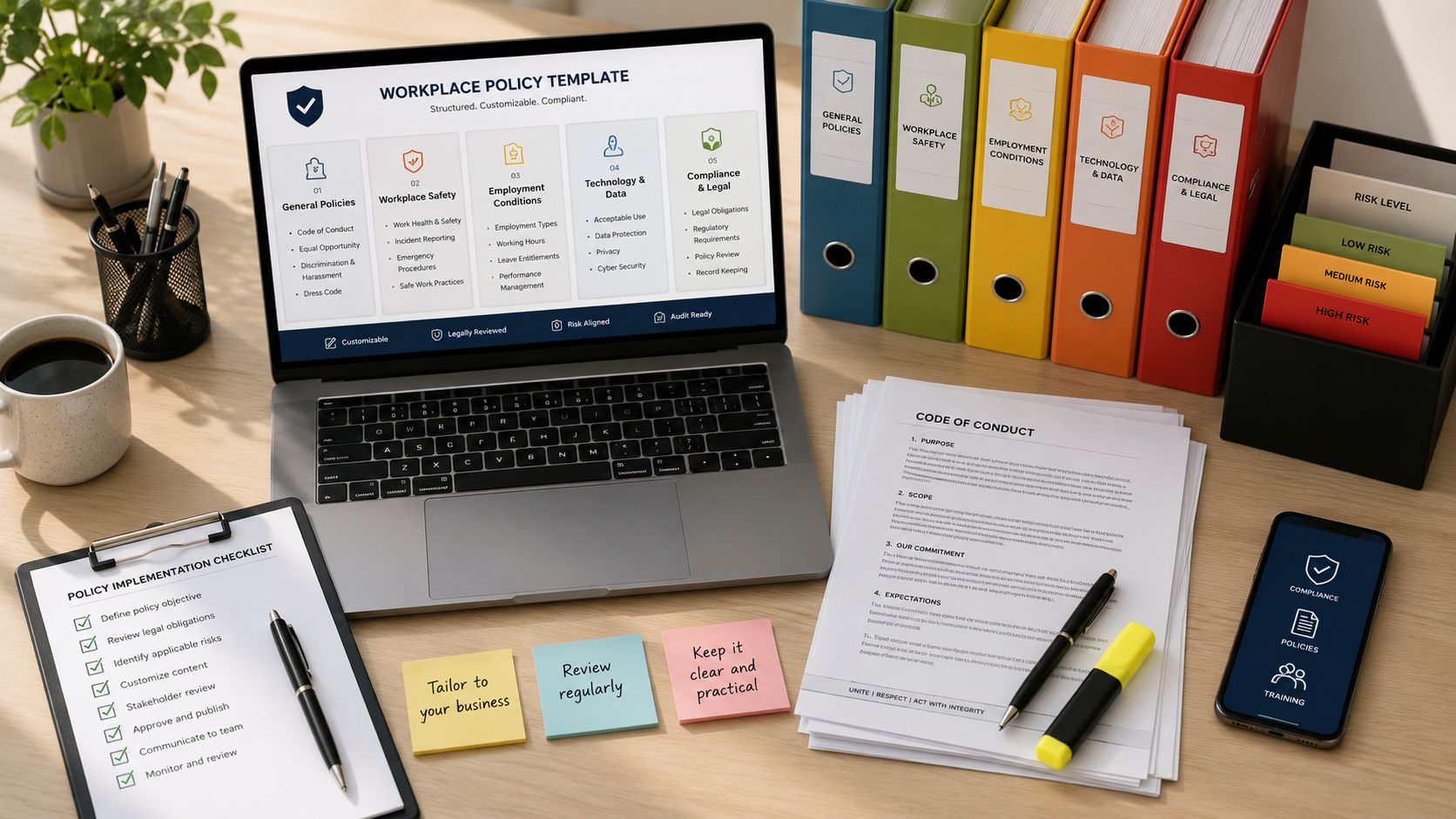
You're probably in one of two situations right now. Either your team has a handbook and a folder full of old policies that no one trusts anymore, or you're growing fast enough that copying a generic workplace policy template from the internet now feels risky. In both cases, the problem isn't finding a template. The problem is choosing one that fits your actual risk, your locations, and the way your managers make decisions.
That matters more now because policy use is no longer limited to a small pilot group. A Federal Reserve review published in February 2024 found that workplace AI adoption estimates vary widely, but many firm-level and worker-level estimates cluster in the practical range of roughly 20% to 40%, with especially higher use in technical roles. That's a strong signal that policy writing has to account for mixed adoption across the same business, not just a few early adopters (Federal Reserve review of workplace AI uptake).
If you're updating return-to-office language, remote work expectations, or manager discretion rules, start with solid legal framing like UL Lawyers' return to office advice. Then choose a workplace policy template resource based on use case. Some tools are best for quick drafting. Others are built for multi-state compliance, legal defensibility, or living handbook maintenance. Below are the ten resources I'd recommend most often to SMB leaders.
Paradigm International Inc. is the strongest choice when a workplace policy template is only the starting point, and the primary issue is risk. If your business is dealing with terminations, investigations, manager misconduct, documentation gaps, or conflicting practices across states, you don't need a giant template library first. You need judgment, structure, and someone who can help leadership make a defensible call.
This is not a payroll shop or a high-volume HR outsourcer. Instead, it works more like a decision partner for SMB leadership teams facing people issues that can create legal, financial, or reputational exposure.
This firm is the right pick for regulated, founder-led, or multi-state businesses that need consistency under pressure. The firm brings 32 years of employer-focused HR compliance experience and supports employers in 30+ states. That matters when a policy has to hold up across locations, managers, and difficult employee situations.
Practical rule: If your policy problem involves manager discretion, inconsistent enforcement, or a recent incident, skip the free template hunt and get advisory support before you publish anything.
A generic workplace policy template usually tells you what to include. It rarely tells you what to tighten, what to remove, or what language creates avoidable exposure. The true value is in that second layer.
What stands out is the firm's focus on defensibility. That includes disciplined documentation standards, escalation clarity, and risk-weighted prioritization rather than broad administrative support. For executive teams, that's often the difference between having a document and having a policy system that managers can apply.
Key advantages:
Limits are clear too:
If you want breadth, SHRM is the default reference library. It's one of the first places HR leaders go when they need a workplace policy template for common topics like attendance, leave, discipline, conduct, investigations, and handbook language.
Its biggest strength is coverage. SHRM gives you a large U.S.-centric library, attorney- and practitioner-vetted guidance, and regular updates on emerging HR issues.
This is a strong option for HR teams that can draft and customize policy language internally. You won't get a guided policy engine in the same way you would from a builder platform, but you do get a large body of credible working material through SHRM's HR resources and policy tools.
That makes SHRM especially useful when you need more than one document. A single handbook often isn't enough. You may also need separate investigation protocols, manager guides, complaint procedures, and acknowledgment forms.
SHRM is still a DIY environment. Your team has to decide what applies, what conflicts with state rules, and what needs legal review. That's fine for mature HR departments. It's less efficient for owner-led SMBs without a strong internal policy owner.
A practical way to use SHRM is this:
One caution matters here. A 2024 McKinsey survey found that only 26% of employees said their leaders communicated in a way that was clear and easy to understand, a reminder that policy quality depends on usability, not just completeness (McKinsey communication clarity reference discussed here). SHRM gives you content. Your leaders still need to make it readable and enforceable.
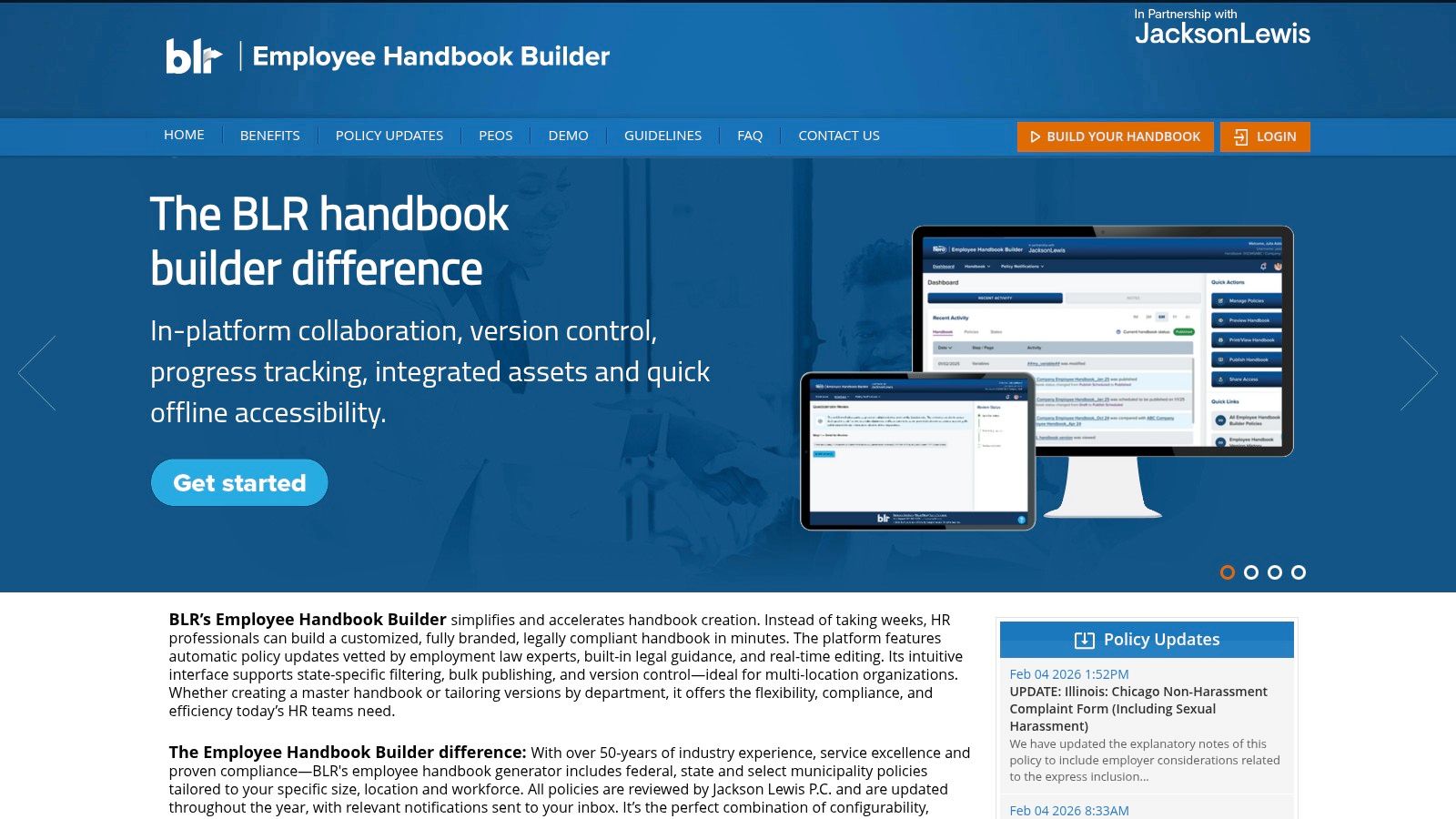
BLR Employee Handbook Builder is built for employers who need a handbook process, not just a document. If your team operates across states and wants attorney-vetted language, tracked edits, legal alerts, and version control, this is one of the better structured options.
The Jackson Lewis connection adds credibility for employers that care about legal defensibility. The builder is also designed for collaboration, which is important when HR, legal, operations, and executive approvers all touch the same policy set.
A lot of workplace policy template tools stop after generation. BLR puts more emphasis on workflow. That includes tracked edits, notes, and version history inside the handbook building process. For SMBs growing into multiple jurisdictions, that record matters.
If your current handbook still treats required policies as a one-time drafting project, review mandatory employee handbook policies before you rebuild.
A handbook builder is useful only if someone owns approvals, version history, and rollout timing.
BLR is best when the handbook is the center of your policy program. It's less ideal if you mostly need standalone policy templates outside the handbook structure.
Choose BLR if:
Skip it if you only need a quick one-off template. This is a stronger fit for businesses that treat policy documentation as a governed process rather than a file download.
You can explore the platform through BLR Employee Handbook Builder.
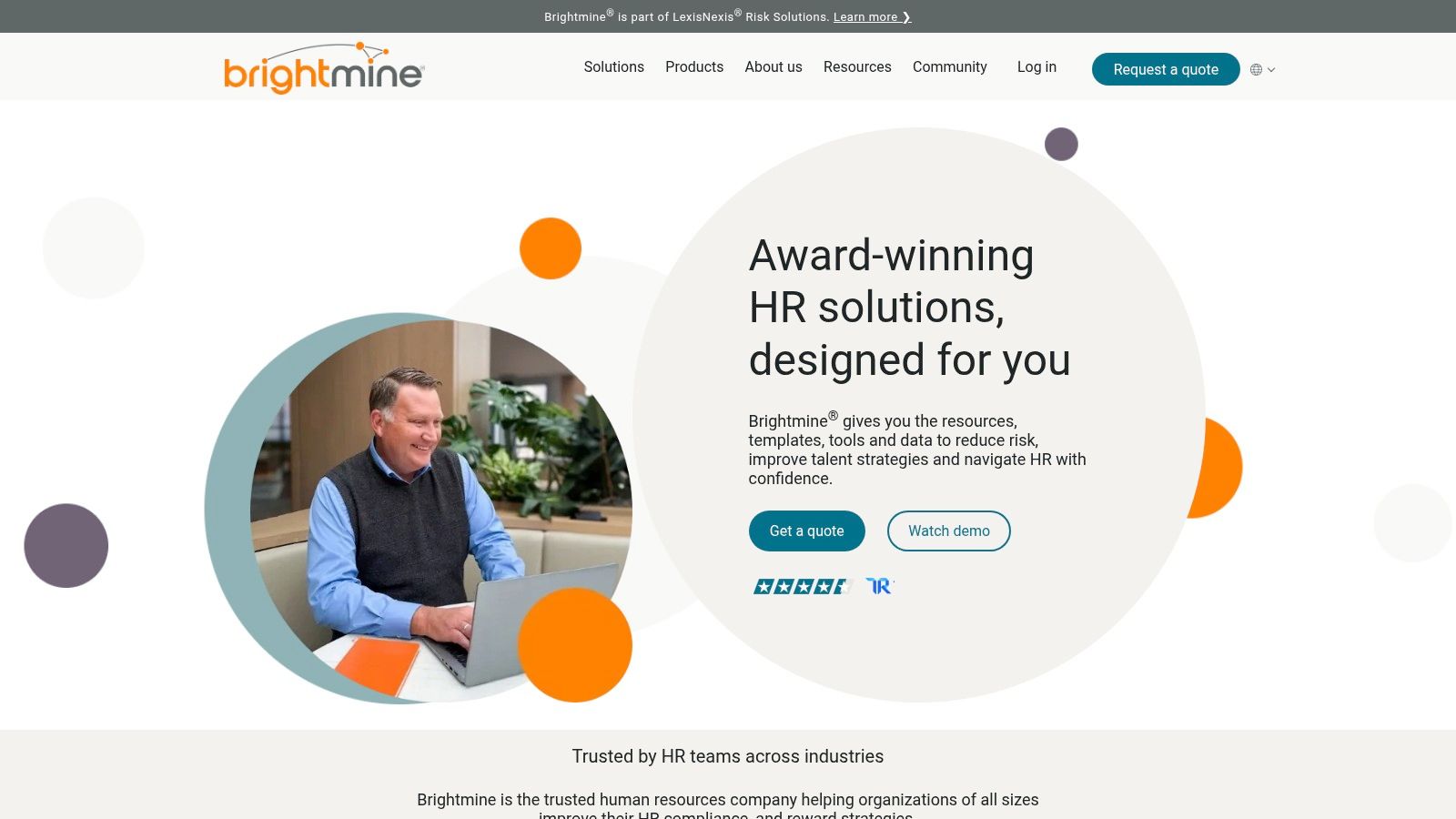
Brightmine, formerly XpertHR, is a deeper compliance platform than many teams need. That's also why it's so strong for complex employers. If your organization spans multiple states and wants a workplace policy template resource backed by broader HR compliance guidance, Brightmine belongs on the shortlist.
Its value isn't just the automated handbook tool. It's the surrounding legal and practical context.
Brightmine makes sense for companies that don't want isolated policy files. They want legal updates, practical guidance, and jurisdiction-aware handbook support in one place. That's especially useful when policy topics overlap, such as attendance, leave, accommodations, investigations, and discipline.
This platform is often the better choice when leadership asks hard follow-up questions, not just for document output. Why is this clause written that way? What changed? Which locations are affected? Brightmine is better positioned for that level of operational support than a free template library.
The tradeoff is scale and cost. Smaller businesses may find it heavier than necessary, especially if they only need a baseline handbook and a handful of common policies. For multi-state organizations with active compliance pressure, that extra depth is often worth it.
Use Brightmine when:
The platform is available through Brightmine's U.S. HR and compliance solutions.
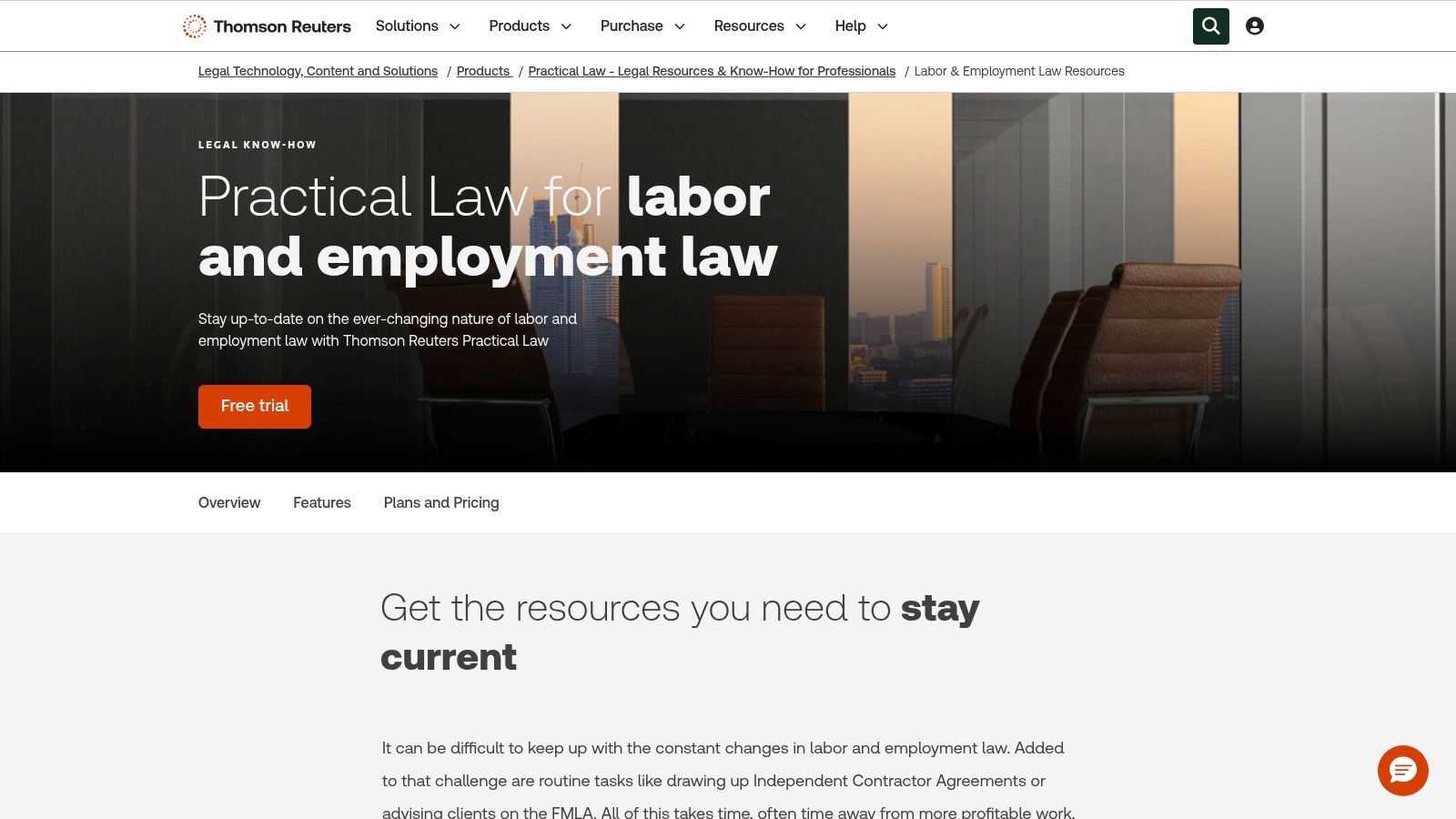
Practical Law is where I'd send a business that wants law-firm-grade starting points. If SHRM is broad and operational, Thomson Reuters Practical Law is more legal in tone, more annotated, and stronger for risk-sensitive drafting.
That doesn't make it better for everyone. It makes it better when policy language may need to stand up to scrutiny.
Some teams need more than a clean workplace policy template. They need drafting notes, legal comparisons, and the rationale behind specific clauses. Practical Law is strong there. It's particularly useful when a policy touches retaliation, wage-hour exposure, confidentiality, investigations, classification, or multi-state employment rules.
If your leadership team is reviewing foundational policies, it helps to compare your draft against essential HR policies for legal compliance.
Advisor's view: Use Practical Law when the cost of a policy mistake is higher than the cost of the subscription.
That's the critical decision test. If you're revising a code of conduct for a small single-state team, it may be too much. If you're updating disciplinary, leave, investigation, and classification language across several states, it's a smart investment.
Practical Law is best for legal departments, HR leaders working closely with counsel, and SMBs with heightened employment risk. It's less suited to businesses that want a fast, plain-English generator with minimal review overhead.
You can review the platform at Thomson Reuters Practical Law Labor and Employment.
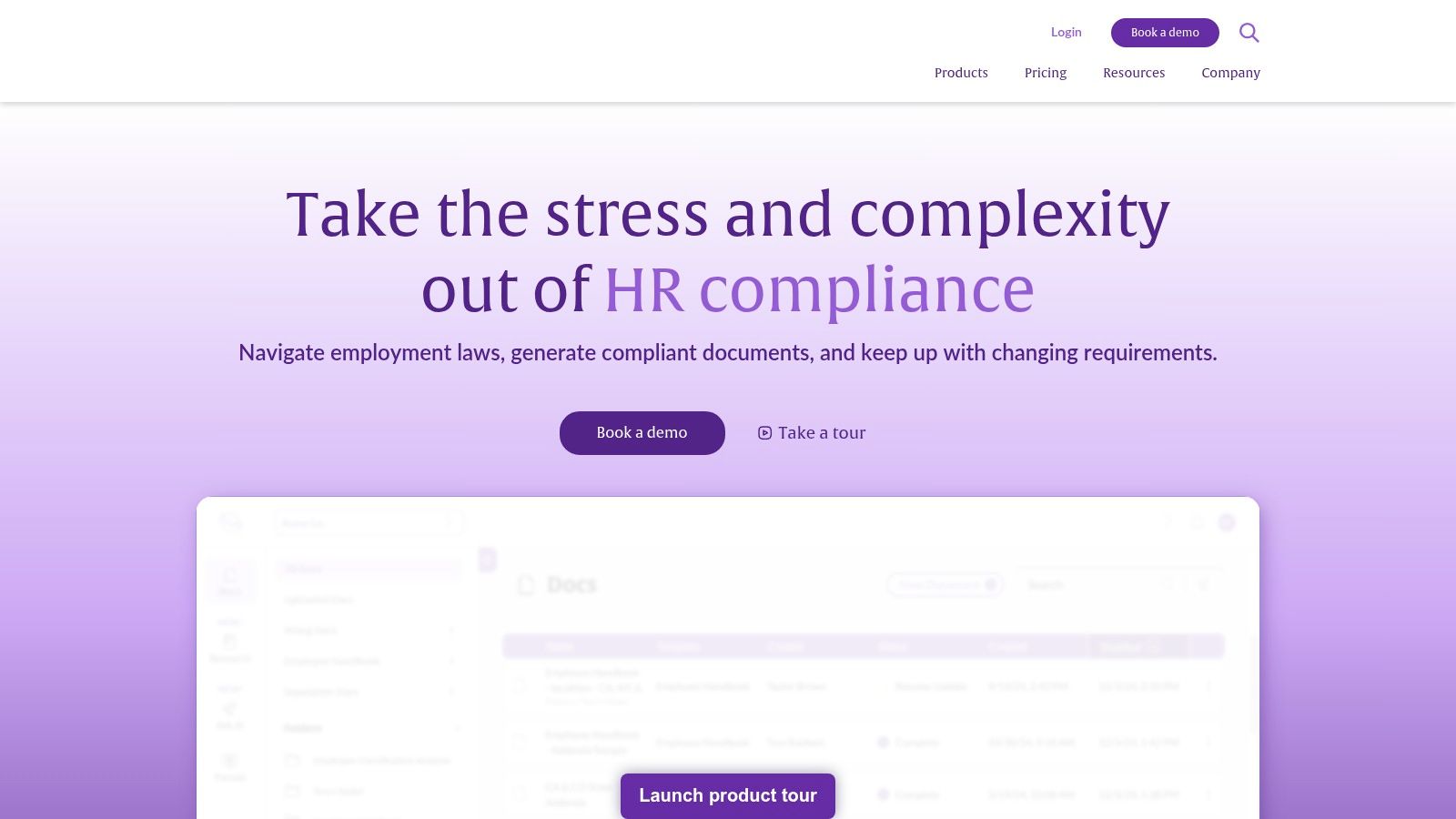
SixFifty is one of the more modern options in this category. It combines law-firm-backed drafting with automation, which makes it appealing to businesses that want more than static policy files but less manual legal work.
The experience is guided. That matters because many SMBs don't fail on policy intent. They fail when they have to translate a template into usable language across multiple states and roles.
SixFifty works well for organizations that want compliance logic built into the drafting process. Instead of downloading a workplace policy template and editing it manually, you answer questions and generate documents that reflect your selections and jurisdictional needs.
That's useful for handbook creation, state addenda, and a wider template set. It also helps when your internal team can manage policy intake but doesn't want to interpret state-by-state variations from scratch.
Choose SixFifty if you want:
Don't choose it if your main priority is detailed legal annotation. This is a builder-first experience, not a deep legal research platform.
One more reason this category matters now. A January 2025 NBER digest reported that 28% of employed respondents used generative AI for their job, and that workplace adoption is tracking the historical diffusion curve of PCs, suggesting fast normalization rather than slow experimentation (NBER digest on workplace adoption of generative AI). That's exactly why guided tools with update cycles and approved-policy logic are becoming more valuable.
You can explore the platform at SixFifty.
Mineral is one of the most practical SMB choices on this list. Its Smart Employee Handbook product focuses on building and maintaining a living handbook, which is often what smaller employers need. Not a massive library. Not a legal research platform. A workable handbook process with ongoing update support.
It's also commonly available through payroll, broker, and PEO relationships, which lowers friction for adoption.
Mineral fits teams that need consistency without building a policy operation from scratch. The platform supports single-state and multi-state employers, and it emphasizes maintenance rather than one-time drafting.
That's the right model for most growing businesses. Policy problems usually show up after version one, when laws change, managers improvise, or locations start operating differently.
If your team is still building from the ground up, start with how to write an employee handbook before selecting the tool.
Mineral is a strong pick when:
Its main drawback is transparency. Pricing and access often depend on partner arrangements, and that can make evaluation slower. Still, for SMBs that want a dependable handbook maintenance model, Mineral is one of the easiest recommendations.
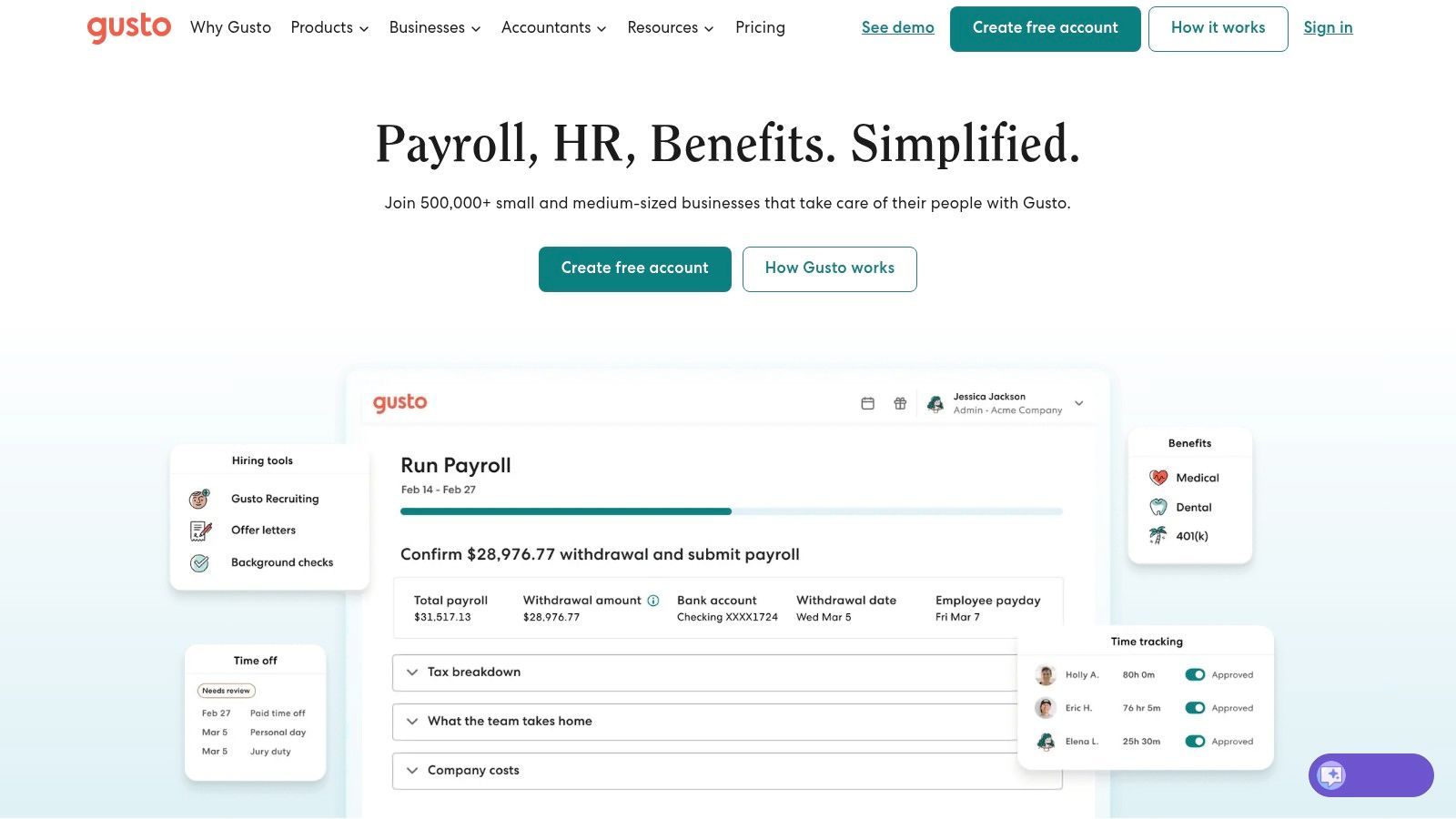
If you already run payroll or HR operations in Gusto, using its policy tools is the simplest move. Convenience matters. A workplace policy template that lives inside the system your team already uses has a much better chance of being updated, distributed, acknowledged, and archived correctly.
That's where Gusto's setup has an advantage. It combines HR resources with handbook functionality inside a familiar operating environment.
Gusto isn't the deepest legal content source on this list. It wins on workflow. In-app handbook creation, editable outputs, and practical HR templates make it useful for smaller employers that need speed and accessibility.
This is the right choice when your policy needs are straightforward and your bigger problem is execution. Many SMBs don't need the most advanced legal drafting engine. They need a system that managers and HR can keep current.
Gusto is less compelling if you aren't already in the ecosystem. It's also not the strongest option for complex multi-state policy interpretation or detailed legal commentary.
Use Gusto if:
For current customers, Gusto's HR resources are a logical place to start. For higher-risk or more customized policy environments, move up to a builder or advisory-led option.
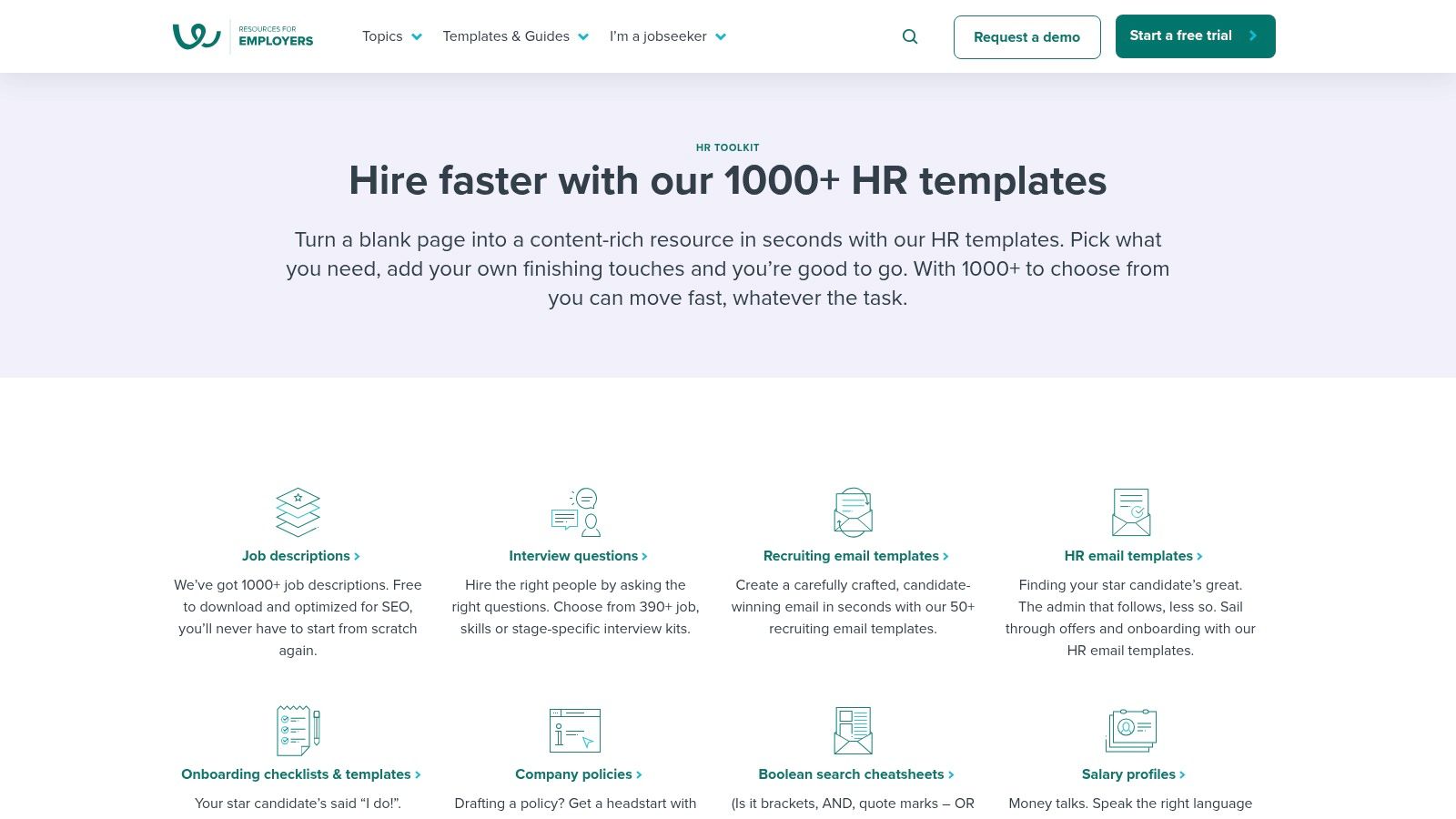
Workable is the best free starting point on this list. If you need a workplace policy template quickly, and you're comfortable customizing it internally, Workable's library is extensive and easy to use.
I recommend this to a very small business that needs to get from blank page to first draft without paying for a subscription first.
Workable's strength is speed. The templates are web-based, editable, and written in plain language. That's useful for baseline policies like attendance, code of conduct, leave, remote work, and harassment-related acknowledgments.
The weakness is just as important. Workable does not function like a jurisdiction-aware compliance engine. You have to adapt the language yourself. That means the more states, complexity, or manager discretion involved, the less safe it is to rely on it without review.
Start with Workable when the goal is drafting momentum. Stop using it as the only source once legal risk enters the picture.
Workable makes sense for:
It's a useful drafting library, not a full compliance solution. You can browse it at Workable's HR templates library.
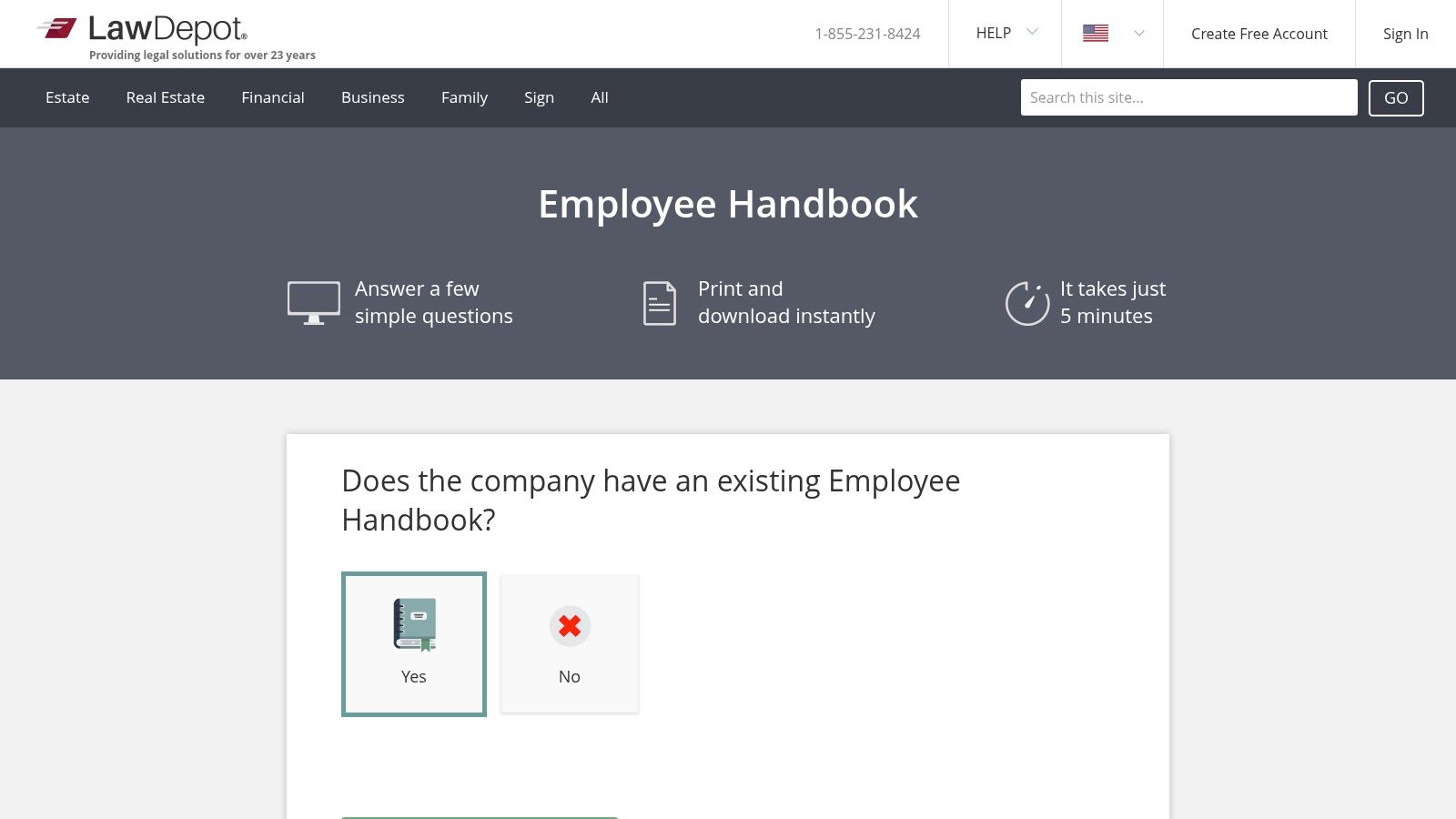
LawDepot is the straightforward, low-friction option for a very small business that needs a handbook now. It uses a guided questionnaire, offers downloadable output, and is usually easier to price and purchase than enterprise-focused HR tools.
That makes it a practical one-off choice. It does not make it a strong long-term compliance system.
If you run a single-location or simpler small business and need a baseline employee handbook fast, LawDepot can do the job. The questionnaire format is easier for non-specialists than editing a raw workplace policy template in a blank document.
It's especially useful for early-stage businesses that need a starting point before they invest in a more detailed process.
LawDepot should not be treated as a multi-state compliance engine. It gives you structure and convenience, but you still need to confirm fit for your location, workforce model, and operating risks.
Use it when:
Skip it if you expect frequent updates, multiple state addenda, or policy review across a larger leadership team. For basic needs, though, LawDepot's employee handbook template is a reasonable starting point.
| Provider | Core offering | Target audience | Unique selling point / Key strength | Price / access |
|---|---|---|---|---|
| Paradigm International Inc. | HR risk & decision‑advisory for high‑stakes people issues (terminations, investigations, multi‑state compliance) | Multi‑state or regulated SMBs; owners, COOs, exec teams needing judgment & defensibility | Advisory‑first, structured incident response; decades of employer HR compliance; hands‑on partnerships | Engagement‑based, bespoke pricing; free consultation |
| SHRM | Practitioner‑vetted policy templates, toolkits, guides | HR leaders wanting breadth and up‑to‑date templates | Large, trusted library with regular updates and practitioner review | Membership required for full access |
| BLR Employee Handbook Builder (Jackson Lewis) | Guided multi‑state handbook builder with attorney‑reviewed policies | Employers needing defensible, jurisdiction‑accurate handbooks | Attorney‑vetted policies, collaboration tools, municipality coverage | Pricing varies; often per org/user (sales) |
| Brightmine (formerly XpertHR) | HR & compliance library plus automated handbook management | Complex multi‑state organizations and compliance teams | Deep legal/compliance resources and enterprise configuration | Custom enterprise pricing (typically higher) |
| Thomson Reuters Practical Law – Labor & Employment | Attorney‑edited model policies, drafting notes, state comparisons | Legal teams and risk‑sensitive organizations | Law‑firm grade templates with citations and legal context | Higher price point; enterprise/demo options |
| SixFifty | Law‑firm‑backed automated 50‑state handbook & policy generator | Teams wanting a guided generator with jurisdiction logic | Strong multi‑state compliance logic and modern drafting UX | Sales/partner pricing; not always public |
| Mineral (Mitratech) | Smart employee handbook + HR compliance platform | SMBs via payroll/benefits partners or direct subscribers | “Living” handbook with change alerts; partner integrations | Packaged pricing via partners; variable |
| Gusto (powered by Mineral) | In‑app handbook tool and HR template library | Employers using Gusto payroll/HR looking for convenience | Seamless in‑app creation, distribution and archive | Tied to Gusto plan tiers; feature limits by plan |
| Workable | Free library of 1,000+ editable HR policy templates | Very small teams needing quick baseline policies | Fast, free, easy starting point for drafting policies | Mostly free to use |
| LawDepot | Guided online employee handbook generator with state tailoring | Very small businesses needing affordable, one‑off handbooks | Transparent, affordable purchase options; guided questionnaire | Pay per document or subscription options |
A workplace policy template should help you move faster. It should not trick you into thinking the work is finished. The critical test is whether the policy is usable by managers, understandable to employees, and defensible when someone challenges how it was applied.
That's why I'd split these tools into three decision groups.
For fast baseline drafting, use Workable or LawDepot. They're practical when you need a first version and your risk is still relatively contained. Just don't confuse a fast draft with a compliant operating policy.
For SMB-friendly maintenance, look closely at Mineral and Gusto. They work best when your main challenge is keeping policies current, distributed, and acknowledged without creating a separate policy administration burden.
For higher-risk and multi-state environments, the stronger choices are BLR, Brightmine, Thomson Reuters Practical Law, and SixFifty. They address the problems that generic templates usually miss. Approval workflow. Jurisdictional variation. Legal rationale. Documentation discipline. Manager consistency.
One issue deserves special attention. Policy libraries go stale faster than many teams realize. The U.S. Department of Labor continued emphasizing active enforcement around misclassification and wage-hour compliance in 2025, while organizations were also adding policies for AI governance and remote or hybrid work. The broader point, also reflected in International Labour Organization concerns discussed in this summary, is that static policy libraries become harder to defend as work changes (workplace policy update and review cadence discussion). Your review process matters as much as your starting template.
Use this framework when you choose:
My direct recommendation is simple. If you only need wording, pick a tool. If you need judgment, consistency, and protection from preventable exposure, get advisory support involved before you finalize the document.
If your team is updating policies across locations, cleaning up handbook gaps, or facing a high-stakes people issue where wording and documentation matter, Paradigm International Inc. is a strong next step. Their advisory approach is built for SMB leadership teams that need defensible HR practices, clear decision support, and policy guidance that holds up in real operations.