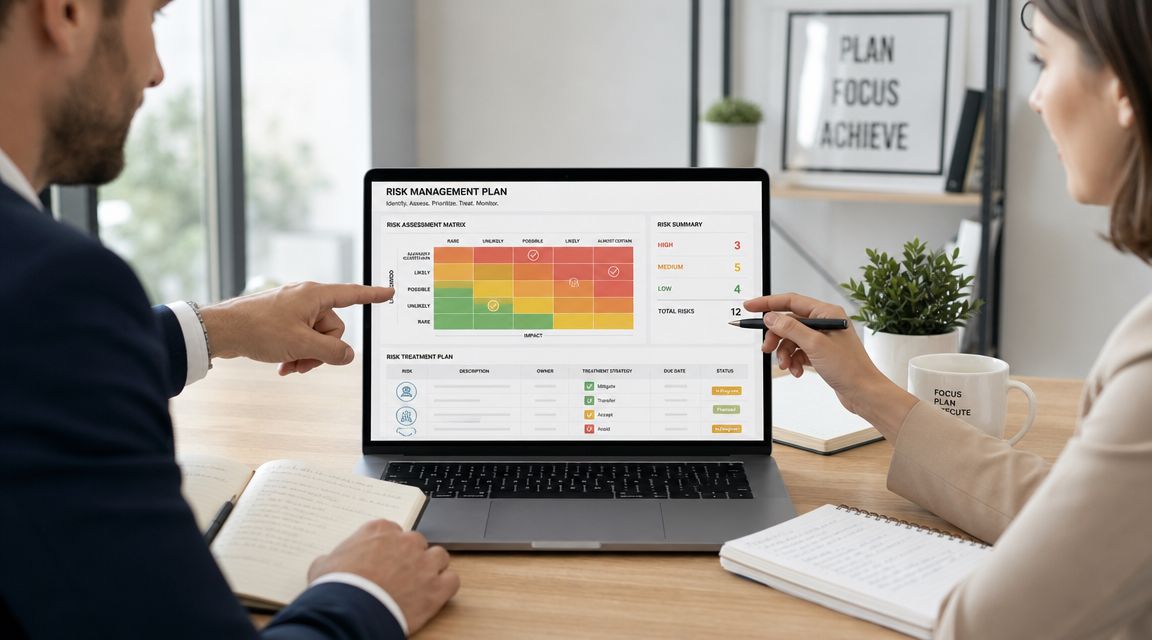
Annual reviews stay common because leaders still need a defensible record of performance, behavior, and next-step decisions. One industry compilation says 71% of companies still conduct performance reviews annually, 58% still use basic spreadsheets, and about 60% of employee-evaluation questions use a five-point rating scale source on annual review cadence and formats. That combination explains why the best annual review questions for employees are still structured, evidence-based, and easy to document, especially when the review could affect pay, promotion, or separation decisions.
The strongest reviews do more than summarize the year. They create a structured conversation about results, conduct, support, development, compensation, compliance, and prior feedback, then turn that conversation into a clear record. Managers should ask for specific examples, separate facts from impressions, and write down both employee responses and agreed follow-up actions. In multi-state and regulated SMBs, the question set should also reflect role requirements, company policies, and local employment considerations. If the review involves serious conduct concerns, an investigation, accommodation issues, or a potentially disputed employment decision, it's smart to get advisory support through Paradigm International before the meeting.
This question works best as the opening because it ties individual effort to business results. A strong answer gives you a record you can defend later when compensation, promotion, or a performance concern comes up.
A sales director might point to client acquisition against quarterly targets. An operations manager might describe process changes that improved workflow. A project manager can reference on-time, on-budget delivery, but each example should connect to a goal the employee owned and a business priority the company set.

The review gets stronger when goals were set as SMART goals at the start of the cycle, because vague goals produce vague evaluations. If priorities changed midyear, document the change right away instead of trying to reconstruct it later. That keeps the year-end conversation fair and reduces the chance that an employee feels judged against a moving target.
Practical rule: If you cannot point to the goal document, the update note, or the status check-in, the review comment is probably too weak to defend later.
Use quantifiable metrics wherever possible, but do not force numbers where the role does not naturally produce them. A recruiter may be measured differently from a project lead, yet both can still be reviewed against the objectives set for them. If you are using an annual review template for 2026, make sure the goal section is specific enough to show the connection between completed work and business priorities. That same structure also helps when the review touches pay decisions, prior feedback, or a regulated role that needs tighter documentation.
Values questions matter because culture problems usually show up in behavior before they show up in formal complaints. This is especially important in multi-state operations, where leaders need consistent standards across locations and managers.
A strong values discussion avoids personality judgments. It focuses on observable conduct, such as whether someone owned mistakes, stepped in to help another department, or mentored newer employees without being asked.

If integrity is one of your values, define what it looks like in practice. If collaboration matters, say what collaborative behavior means in your workplace, such as giving timely handoffs or sharing information that affects other teams. That makes the review fairer and keeps managers from inventing their own standards on the spot.
The HR risk guidance from Paradigm International is useful here because values-based reviews can become risky when leaders treat personal style as if it were performance. A manager may dislike someone's communication style, but that's not the same as a documented failure to meet a core value. Train supervisors to collect examples throughout the year and to apply values-based feedback consistently across protected groups.
This question changes the review from a backward-looking judgment into a forward-looking support conversation. It also creates documentation that you asked what the employee needed before concluding that a performance gap was solely on them.
An employee might request technical training before being evaluated on a new system. A manager might ask for coaching on delegation or difficult conversations. A team member might need clearer SOPs because the process looks different from one location to another.

The value here is not just hearing the request. It's recording what you agreed to provide, when you'll provide it, and how you'll check whether it helped. If the employee declines training or ignores the support offered, that should also be documented in writing.
That follow-up matters in regulated or multi-state settings because it helps show that the organization tried to support performance before taking a harder step. Keep the discussion practical, not open-ended. If the request is reasonable, respond with a timeline. If it's scope creep, say so respectfully and explain the boundary.
This question surfaces judgment under pressure. It also gives employees a fair chance to explain why a result missed the mark, which is important when you're separating real performance issues from external problems.
A regional manager might describe how conflicting state rules affected operations and how they kept the business compliant. An employee might explain system downtime and the workaround they used. A team leader could talk about a difficult client relationship while still protecting service quality.
The best follow-up is simple. Ask what the employee did, what happened next, and what they would do differently now. That sequence helps you assess problem-solving without letting the conversation drift into excuses.
Practical rule: Distinguish obstacles the employee could not control from problems they created or prolonged.
This is also the place to document issues that affected multiple employees, such as a platform outage or a policy change. If the challenge was shared across the team, the review should reflect that reality instead of treating one person as the cause. That kind of accuracy is especially useful when a later decision has to stand up to scrutiny.
Some of the most useful contributions are not limited to a job description. This question helps surface work that improved the team's output, reduced friction, or strengthened operations without relying on visibility alone.
An engineer may have mentored junior developers. A customer service representative may have documented a recurring systems issue that improved team workflow. A manager might have led a compliance training initiative across locations.
The right follow-up is, “How did that help the team?” That keeps the conversation focused on business value instead of goodwill alone. It also helps you recognize employees who strengthen the organization, which can matter when you are considering leadership potential, promotion readiness, or restructuring decisions.
Use peer feedback here when you can, because collaboration is rarely visible from one manager's desk. If someone's role is highly specialized, do not penalize them for not taking on extra duties. The goal is to recognize contribution fairly, document it consistently, and avoid turning every review into a contest for who did the most extras.
In regulated environments, this question can also reveal whether an employee helped reinforce controls, trained others on a required process, or raised a recurring issue before it turned into a larger problem. Keep the scoring standard clear, so a manager can distinguish between helpful one-off support and sustained contributions that materially helped the team. If you need to compare employees across locations or states, write down the examples and the reason they were rated the way they were. That record matters when the review has to hold up later.
This question shows whether the employee is thinking about their future in a way the business can support. It also gives you a record that you discussed development, which helps if someone later says no one ever talked to them about growth.
A manager may want to build project management skills for a director role. An individual contributor may want exposure to compliance or risk management. A regional leader may want to expand into new markets or product lines.
A vague answer like “I want to get better at leadership” isn't enough. Translate it into actions, such as a course, a mentor, a stretch assignment, or a shadowing plan. Then document what the employee commits to doing and what the company commits to providing.
The strongest growth plans also align with business need. That doesn't mean every development goal has to benefit the company immediately, but it should be realistic within the role and the organization's size. If the path to a desired next step doesn't exist yet, say that clearly instead of implying a promotion is likely when it isn't.
Relationship management is where a lot of performance issues show up before they become formal complaints. In complex or regulated organizations, poor communication between teams can create real operational risk.
A manager may have earned positive feedback for supporting a struggling employee. Another employee may have repeated communication breakdowns with cross-functional partners. A leader may be highly accessible and responsive, or they may create friction by ignoring feedback.
This question should never become a popularity test. Base the discussion on observed behavior, specific incidents, and feedback from multiple sources where available. Then ask how the person's approach affected team effectiveness.
If there is a relationship concern, address it early. A pattern of dismissive communication, missed handoffs, or defensive responses can be a warning sign long before it turns into a formal issue. The review should document what was seen, what was said, and what improvement looks like in practical terms.
Compensation conversations are often the most sensitive part of a review, but avoiding them can create bigger problems later. Employees who feel underpaid or overlooked are more likely to disengage, and those concerns can quickly turn into retention risk or a complaint if no one addresses them directly.
A long-tenured employee may feel undervalued compared with newer hires. Someone in a high-cost market may be struggling with pay relative to local expenses. Another employee may be comparing benefits across locations and seeing inconsistency they don't understand.
Have current market data available if you plan to discuss pay, but don't promise a change on the spot just to calm the room. Document the concern, the context, and any follow-up you commit to. If you say you'll review the package, set a specific date and follow through in writing.
The article on compensation guidance for Alpharetta businesses is a useful reminder that compensation decisions need consistency, especially when multiple similar roles exist. If your organization operates in different states or uses different benefit structures, explain the logic clearly so employees understand the framework. That clarity often matters as much as the answer itself.
For regulated employers and multi-state operators, this is not a side question. It's a core part of the review because policy awareness and compliance behavior affect risk, not just performance.
A manager may need to explain how they oversee timekeeping compliance. An employee in a licensed role may describe how they stay current on certifications. A leader may explain how they protect confidential data or escalate questions when policy isn't clear.
If the employee doesn't know a policy well, treat that as a training issue first, not an accusation. Ask what situations have come up, how they handled them, and where they'd like more guidance. Then document any gaps and the training or documentation you'll provide.
The Paradigm International Inc. handbook guide is especially relevant when your workforce spans states, because handbook expectations often need state-specific attention. The review should show that compliance was part of the conversation, not something you only mention after a problem surfaces. That record becomes important if the role later involves a dispute, audit, or regulatory concern.
This is one of the strongest review questions because it ties this year's evaluation to last year's written feedback. It gives the employee notice, a chance to improve, and a fair record before any harder decision is made.
If last year's feedback focused on communication, ask for concrete examples of how the employee communicates differently now. If delegation was the concern, look for follow-through and clearer ownership. If attendance, training completion, or reliability was the issue, document the change with the same standard you used when the concern was first raised.
Reference the actual document rather than relying on memory, then ask what changed, what helped, and what barriers still exist. If progress has not happened, say so directly and set the next expectation in writing.
Clear feedback only helps if the next review checks whether the employee acted on it.
This question also shows whether the earlier feedback was specific enough to guide action. If the employee cannot identify what they were expected to improve, that is useful information for the manager as well. It may point to a need for tighter documentation, clearer scoring standards, or a formal next-step discussion if the concern remains unresolved.
| Question (short title) | Implementation complexity | Resource requirements | Expected outcomes | Ideal use cases | Key advantages |
|---|---|---|---|---|---|
| Goals accomplished this year | Moderate, needs clear metrics set upfront | Moderate, goal-tracking systems, manager time | Quantifiable performance records tied to targets | Performance reviews, compensation decisions, promotions | Objective, defensible evaluations; aligns work to strategy |
| Demonstrated core values & culture | Moderate, requires defined behaviors | Low–Moderate, examples collection, manager calibration | Documented cultural alignment and behavioral evidence | Leadership evaluation, cultural assessments, hiring/promotions | Captures intangible contributions; supports fair behavioral judgments |
| Additional support, training, resources needed | Low, simple conversational structure | Moderate, training budget, development planning | Actionable development plans; record of offered support | Performance improvement, retention, legal defensibility | Shows employer investment; identifies root causes of gaps |
| Challenges encountered & navigation | Low–Moderate, needs structured probing | Low, documentation of examples and context | Insights into problem-solving, context for performance | Complex roles, regulatory/regional issues, leadership reviews | Reveals judgment and accountability; explains performance variances |
| Contributions beyond primary role | Low, relies on collected examples | Low, peer input, manager observation | Recognition of cross-functional impact and leadership potential | Succession planning, retention, restructuring decisions | Identifies hidden contributors and future leaders |
| Development goals for next year | Low, forward-looking conversation | Moderate, learning resources, mentoring plans | Agreed growth objectives and timelines | Career planning, talent development, retention | Drives retention and aligns employee ambitions with business needs |
| Relationship management with stakeholders | Moderate, needs multi-source feedback | Moderate, 360 feedback, manager observations | Assessment of interpersonal effectiveness and risks | Leadership roles, cross-functional teams, regulated environments | Detects toxic behavior early; evaluates collaboration skills |
| Compensation, benefits, package feedback | Moderate, sensitive topic, needs data | Moderate–High, market data, HR review capacity | Identifies retention risks and equity issues | Pay reviews, regional equity checks, retention planning | Surfaces pay equity and flight risks; documents employee concerns |
| Compliance, regulations, policies approach | Moderate–High, requires role-specific clarity | High, training programs, policy documentation | Record of compliance awareness and gaps | Regulated industries, multi-state operations, leadership roles | Creates defensible compliance record; reduces regulatory risk |
| Progress on last year's feedback | Moderate, requires prior documentation | Low–Moderate, prior reviews, examples | Evidence of improvement or need for further action | Performance improvement tracking, legal defensibility | Strong legal defensibility; shows continuity and accountability |
The best annual review process is repeatable. Define role-specific criteria, use the same core questions for comparable employees, and keep the follow-ups neutral so managers don't drift into personal preference or surprise accusations. Record concrete examples, separate performance findings from protected complaints or accommodation requests, and write down every commitment with an owner and a date.
Scoring should be just as disciplined. Use a defined scale, require evidence for each rating, and calibrate similar roles so one manager isn't grading harder than another. Never let one unsupported impression determine the outcome, especially when the result could affect pay, a promotion, a performance plan, or separation.
State-specific rules, regulated duties, compensation concerns, investigations, and potential termination decisions may require a more individualized review than a generic form can provide. That's where careful documentation and a consistent question set matter most. If you want support building a defensible review process or navigating a high-stakes employee decision, learn how Paradigm International supports business leaders in complex employment environments at Paradigm International.
Paradigm International Inc. helps owners, COOs, HR leaders, and executive teams handle performance reviews, documentation standards, and other high-stakes people decisions with a more defensible process. If your review cycle includes multi-state compliance issues, conduct concerns, or a difficult employment decision, visit Paradigm International Inc. to see how advisory support can help you move forward with more clarity.