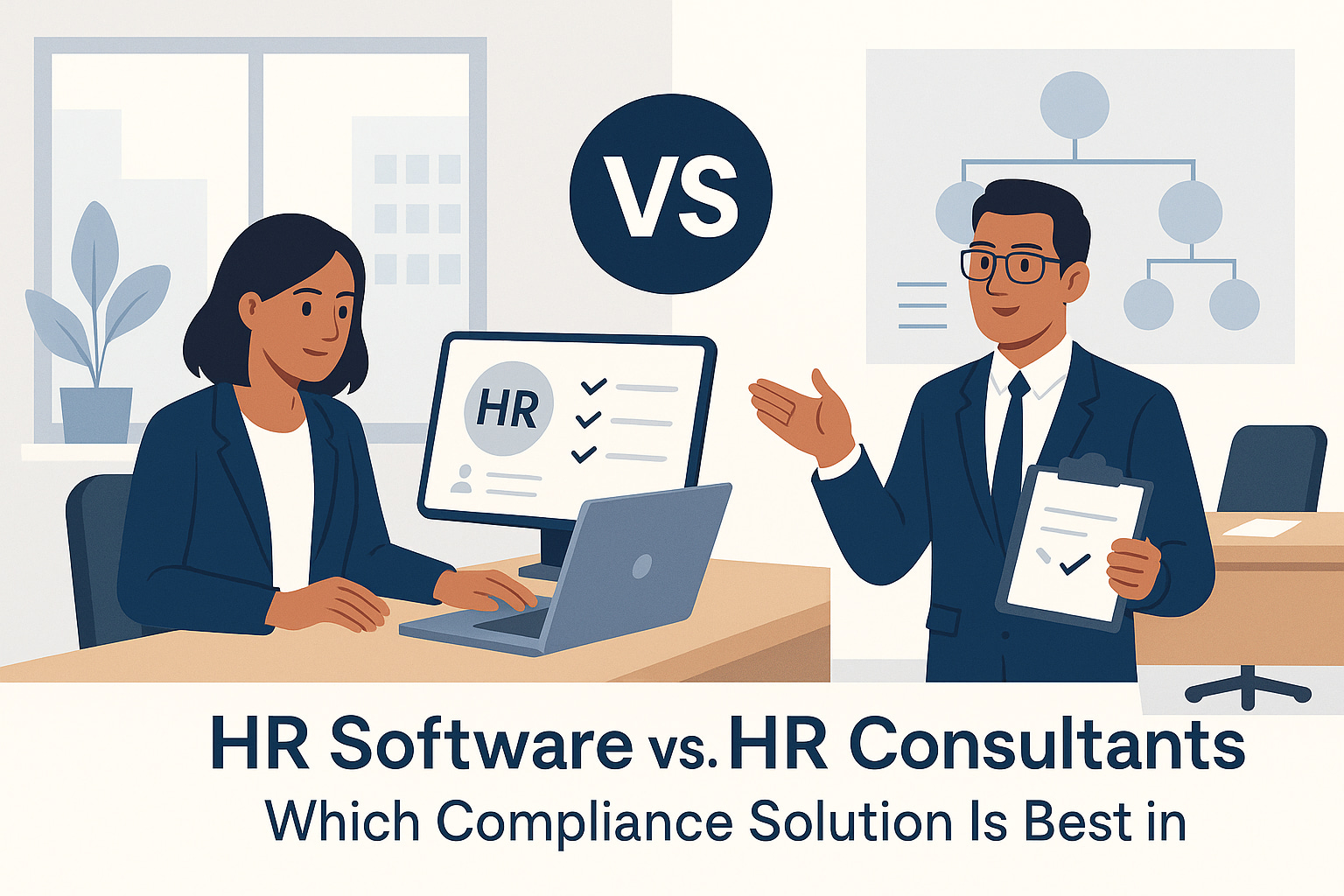
Staying compliant with ever-evolving HR regulations has never been more critical—or more complex—for businesses in 2025. The stakes are high: even minor gaps in compliance can expose organizations to legal risks, costly penalties, and reputational harm. As HR technology continues to advance and regulatory frameworks grow in complexity, companies face a pivotal decision: should they invest in robust HR software solutions or seek the personalized expertise of HR consultants? Understanding the strengths and limitations of each approach is essential for creating a compliance strategy that protects your organization, supports your people, and drives operational efficiency.
Understanding HR Compliance Challenges in 2025
Human resources compliance is a moving target. In 2025, organizations contend with a landscape shaped by emerging technologies, changing labor laws, and increasingly remote and globalized workforces. Navigating this environment demands a proactive and strategic approach to compliance management.
Several factors contribute to the growing complexity of HR compliance:
- Frequent Regulatory Changes: Laws governing employee rights, data privacy, workplace safety, and diversity are updated regularly at local, national, and international levels. Keeping policies and practices up to date is a continual challenge.
- Remote and Hybrid Workforces: The rise of flexible work arrangements means companies must comply with regulations across multiple jurisdictions, each with unique requirements for taxation, benefits, and labor standards.
- Data Security and Privacy: With sensitive employee information increasingly managed online, organizations must adhere to stringent data protection standards, such as GDPR and CCPA, to avoid significant fines and breaches.
- AI and Automation: The integration of artificial intelligence in HR processes—like recruitment, performance management, and payroll—introduces new compliance considerations, from algorithmic bias to transparency obligations.
Organizations that fail to address these challenges risk not only regulatory penalties, but also diminished employee trust and brand reputation. The need for a reliable, scalable compliance solution has never been more urgent.
HR Software Solutions: Features and Benefits
Modern HR software platforms have emerged as indispensable tools for streamlining compliance, automating administrative tasks, and providing actionable insights. These solutions typically offer a suite of features designed to simplify the management of HR processes while ensuring organizations remain compliant with relevant laws and best practices.
Core Features of HR Software
- Automated Record-Keeping: Digital document management ensures employee records, contracts, and compliance documentation are securely stored and easily retrievable for audits or regulatory requests.
- Policy Management: Centralized policy libraries allow HR teams to update employee handbooks and distribute policy changes efficiently, ensuring all staff have access to the latest information.
- Compliance Monitoring: Built-in alerts and dashboards notify HR leaders of upcoming compliance deadlines, expiring certifications, or regulatory changes.
- Reporting and Analytics: Advanced reporting tools enable organizations to generate compliance reports, track key metrics, and identify gaps in real time.
- Integration Capabilities: Leading platforms integrate seamlessly with payroll, benefits, time tracking, and other business systems, reducing manual data entry and minimizing errors.
- Self-Service Portals: Employees can access and update their personal data, complete compliance trainings, and review policies, promoting engagement and reducing administrative burden.
Key Benefits of HR Software for Compliance
- Efficiency and Accuracy: Automation reduces the risk of human error and frees HR professionals to focus on strategic initiatives rather than repetitive administrative tasks.
- Scalability: As organizations grow, cloud-based HR software can adapt to changing needs and increased headcount without significant additional investment. "In 2024, cloud-based HR software accounted for approximately 72.4% of global revenues."
- Real-Time Compliance: Automated updates and proactive alerts help organizations stay ahead of regulatory changes and deadlines, minimizing the risk of non-compliance.
- Cost Savings: By reducing manual labor and the risk of penalties, HR software delivers measurable ROI over time.
- Accessibility: Cloud-based solutions allow HR teams and employees to access information securely from anywhere, supporting remote and distributed workforces. "In 2024, 68% of new Core HR implementations were cloud-based globally."
Adoption of AI within HR software is also accelerating rapidly. "As of 2025, AI integration in HR has been adopted by 72% of North American enterprises." These AI-driven features can further streamline compliance by automating document review, flagging potential risks, and even assisting with unbiased recruitment and performance management.
Despite the clear advantages, it's important to consider potential drawbacks. "In 2024, 58% of HR software buyers cited switching vendors due to scalability and integration limitations." Organizations must carefully evaluate software solutions to ensure they meet current and future needs.
HR Consultants: Expertise and Personalized Service
While technology offers automation and scalability, HR consultants bring a different value proposition: deep expertise, hands-on guidance, and personalized support. An experienced HR consultant serves as a strategic partner, helping organizations navigate the complex regulatory landscape and tailor compliance programs to their unique needs.
Core Functions of HR Consultants
- Regulatory Guidance: Consultants stay abreast of the latest laws and regulations, interpreting how changes affect specific industries and organizations.
- Policy Development and Implementation: They assist in crafting customized policies and procedures that align with both legal requirements and company culture.
- Training and Education: HR consultants deliver targeted training programs to ensure managers and employees understand their compliance responsibilities and minimize risk.
- Audits and Risk Assessments: Through thorough audits, consultants identify gaps in current practices and recommend corrective actions to strengthen compliance.
- Dispute Resolution and Crisis Management: In the event of compliance breaches or employee disputes, consultants provide impartial advice and support, helping organizations resolve issues swiftly and legally.
Key Benefits of HR Consultants for Compliance
- Expertise and Insight: Consultants bring years of specialized experience, offering nuanced advice that considers both legal requirements and industry best practices.
- Customization: Unlike off-the-shelf software, consultants deliver tailored solutions that reflect the unique realities and challenges of each organization.
- Ongoing Support: Many consultants offer retainer-based arrangements, providing continuous oversight and responding to emerging compliance issues as they arise.
- Change Management: Consultants help organizations manage transitions—such as mergers, acquisitions, or restructurings—that require careful attention to compliance details.
- Human Touch: Personalized support can build trust, boost morale, and foster a culture of compliance across the organization.
HR consultants are especially valuable for organizations navigating complex or high-stakes compliance scenarios, such as international expansion, union negotiations, or investigations. Their expertise is not limited by software templates, and their recommendations can flex with changing business needs.
However, it's important to note that the personalized nature of consulting often comes at a higher cost, and the scalability may be limited compared to automated platforms. Consultants may also require significant time investments from internal stakeholders to achieve optimal results.
Comparative Analysis: HR Software vs. HR Consultants
Both HR software and consultants offer compelling benefits, but their suitability depends on an organization’s specific needs, resources, and compliance challenges. A comparative analysis can help clarify the strengths and limitations of each approach.
- Scalability: HR software excels at scaling with business growth. Cloud-based solutions can be deployed quickly and expanded as needed, making them ideal for rapidly growing or geographically dispersed organizations. In contrast, HR consultants provide highly personalized service, which may not scale as efficiently for large enterprises.
- Cost: Software solutions typically involve predictable subscription fees and can deliver long-term cost savings through automation. Consultants, while offering deeper expertise, may come with higher hourly or project-based fees, which can add up for ongoing support.
- Customization: Consultants shine in creating bespoke policies and procedures, while software platforms may offer limited customization and require adaptation to fit unique business processes.
- Speed and Efficiency: Software automates routine tasks, reduces manual effort, and accelerates compliance processes. Consultants may take longer to conduct audits and develop tailored solutions, though their recommendations can address root causes more comprehensively.
- Expertise and Human Interaction: While HR software leverages AI and analytics for data-driven decisions, it cannot replicate the nuanced judgment and relationship-building skills of a seasoned consultant.
- Integration: Software platforms often integrate with other business systems, streamlining data flows. However, "In 2024, 58% of HR software buyers cited switching vendors due to scalability and integration limitations," highlighting the importance of careful vendor selection. Consultants, on the other hand, can advise on integration strategy but do not directly manage technical implementation.
- Future-Readiness: The landscape continues to evolve, with technology adoption accelerating. "By 2025, 97% of firms plan to increase spending on recruitment technologies, with 47% targeting AI enhancements." Organizations must balance the benefits of cutting-edge tools with the need for human oversight and contextual judgment.
Many businesses find value in a blended approach, leveraging software for day-to-day compliance management and engaging consultants for complex challenges or strategic initiatives. The right mix depends on your organization's size, industry, culture, and growth trajectory.
Factors to Consider When Choosing Between HR Software and Consultants
Selecting the right compliance solution is a strategic decision that impacts risk management, culture, and operational efficiency. Consider these factors when evaluating HR software and consulting services:
- Business Size and Complexity: Smaller organizations with straightforward needs may benefit from user-friendly software platforms. Enterprises with complex structures, multiple locations, or international operations may require expert consulting.
- Budget and Resources: Assess the total cost of ownership for software (including setup, training, and potential integrations) versus the consulting fees and internal time required to work with advisors.
- Internal Expertise: Does your HR team have the knowledge and capacity to manage compliance in-house with the support of technology, or do you need external guidance to navigate regulatory complexities?
- Customization Needs: Evaluate whether your organization can operate effectively within the framework of standardized software, or if custom policies and procedures are essential.
- Technology Infrastructure: Consider your organization’s readiness for cloud-based or AI-driven HR solutions. "In 2024, cloud-based HR software accounted for approximately 72.4% of global revenues," indicating widespread adoption, but integration challenges remain for some.
- Growth Plans: Anticipate future changes in headcount, geographic reach, or business model that may affect your compliance requirements. Scalable software or ongoing consulting support may be necessary to keep pace with growth.
- Regulatory Environment: Highly regulated industries (e.g., healthcare, finance) may benefit from the specialized knowledge of consultants, while software can help standardize compliance processes across less regulated sectors.
Ultimately, the decision is not always binary. Many organizations successfully combine the strengths of both HR software and consulting services, achieving greater agility, deeper expertise, and more robust compliance outcomes. Consulting with trusted partners like Paradigm | Expert HR Management Solutions (https://paradigmie.com) can help you assess your unique needs and develop a tailored roadmap for compliance success.
Conclusion
As HR compliance grows in complexity and importance, both HR software and consultants offer valuable—yet distinct—solutions. By understanding your organization’s needs, resources, and growth plans, you can choose the right balance of technology and expertise to safeguard compliance, empower your people, and drive long-term success in 2025 and beyond.